

In the fast-paced world of modern woodworking manufacturing, every minute of equipment downtime translates to lost revenue, missed deadlines, and eroded competitive advantage. For decades, woodworking enterprises have grappled with a persistent and costly enemy: unplanned downtime caused by electrical component failures. From faulty sensors and short-circuited controllers to worn-out relays and outdated wiring, electrical issues account for 60% of unplanned woodworking machine downtime, according to a 2024 Industry Equipment Reliability Report. The traditional "fix-it-when-it-breaks" maintenance model has long left manufacturers vulnerable to these disruptions, with average losses ranging from $2,000 to $5,000 per hour of downtime for mid-sized facilities.
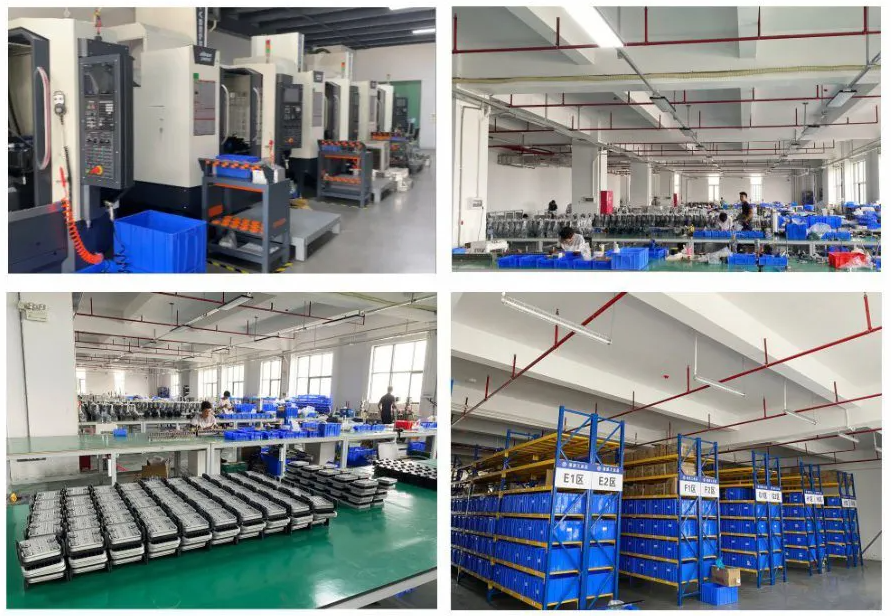
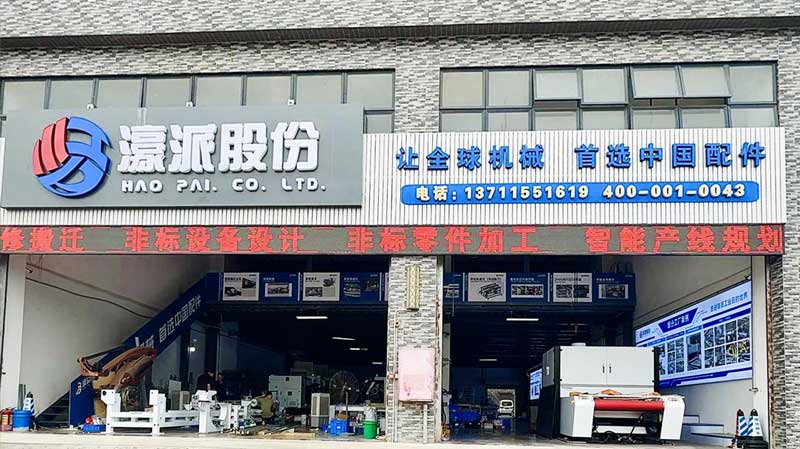
Enter Foshan Haopai Mechanical and Electrical Equipment Co., Ltd.—a trailblazer that has redefined reliability in woodworking machinery through smart electrical innovation. Established in 2008, Haopai has evolved from a woodworking machinery parts trader to a leading comprehensive technical enterprise, integrating parts sales, equipment upgrading, non-standard automation, and R&D. As a National High-Tech Enterprise with multiple product patents, Haopai boasts a core technical team, independent R&D base, and state-of-the-art facilities including component assembly workshops, equipment debugging workshops, and machining centers. For over a decade, the company has solved critical challenges in equipment upgrading, maintenance, and spare parts emergencies, earning the trust of customers worldwide. Today, Haopai is leading the charge toward "zero tolerance for downtime" with its cutting-edge Smart Electrical Components, transforming passive maintenance into proactive reliability and delivering 99.9% equipment uptime for woodworking manufacturers.
This article delves into the revolutionary impact of Haopai’s intelligent electrical solutions, exploring how Woodworking Electrical Parts, CNC Machine Electrical Components, and advanced Electrical Control System Parts are eliminating unplanned downtime. From technical deep dives and real-world case studies to cost-benefit analysis and future trends, we uncover why smart electrical components are no longer a luxury but a necessity for woodworking enterprises aiming to thrive in the era of lean, efficient manufacturing.
1. Industry Pain Point: The Hidden Costs of Electrical Failures
Unplanned downtime caused by electrical component failures is more than just an inconvenience—it’s a silent profit killer that drains resources, damages customer relationships, and undermines operational efficiency. The true cost of electrical failures extends far beyond the immediate repair bill, encompassing hidden expenses that many manufacturers fail to account for.
1.1 Direct Financial Losses from Downtime
The most obvious cost of electrical failures is lost production time. For a mid-sized woodworking factory producing cabinetry or furniture, downtime of just 4 hours per week can result in annual losses of $416,000 to $1.04 million (based on $2,000-$5,000 per hour). These losses escalate for high-volume facilities or those with tight delivery deadlines, where missed orders can lead to contractual penalties of 5-10% of the order value.
Electrical failures also incur direct repair costs, including replacement parts, emergency service calls, and overtime pay for maintenance staff. A 2024 survey of woodworking manufacturers found that average repair costs for electrical failures range from $500 to $3,000 per incident, with complex CNC machine issues costing upwards of $10,000.
1.2 Hidden Operational Costs
Beyond direct losses, electrical failures trigger a cascade of hidden operational costs:
Material Waste: When a machine shuts down mid-production, partially processed materials are often ruined, leading to waste rates of 15-20% for the affected batch. For a factory using $10,000 worth of raw materials per week, this translates to $78,000-$104,000 in annual material waste.
Schedule Disruptions: Downtime disrupts production schedules, forcing manufacturers to rush subsequent orders, reschedule deliveries, and rearrange labor—all of which increase operational inefficiencies. A study by the Manufacturing Performance Institute found that schedule disruptions from unplanned downtime reduce overall factory productivity by 20-30%.
Inventory Build-Up: To mitigate the risk of downtime-related delays, many manufacturers maintain excessive safety stock, tying up capital and increasing storage costs. The average woodworking factory spends 15-25% of its working capital on safety stock, a cost that could be eliminated with reliable equipment.
1.3 Long-Term Business Impact
The long-term consequences of electrical failure downtime are even more damaging:
Customer Churn: Missed deadlines and delayed orders erode customer trust, with 60% of customers reporting that they will switch suppliers after just one significant delay, according to a 2025 customer satisfaction survey.
Brand Damage: In an era of social media and online reviews, repeated downtime-related issues can harm a manufacturer’s reputation, making it harder to attract new customers.
Employee Morale: Constantly dealing with broken equipment, rushed schedules, and overtime work lowers employee morale and increases turnover, with maintenance staff turnover rates 30% higher in factories with frequent downtime.
1.4 The Limitations of Traditional Maintenance Models
Traditional maintenance approaches are ill-equipped to address the root causes of electrical failures:
<ul
Reactive Maintenance ("Fix-it-when-it-breaks"): This model relies on waiting for components to fail before repairing them, leading to unplanned downtime, higher repair costs, and cascading damage to other machine parts.
Preventive Maintenance ("Fix-it-on-a-schedule"): While better than reactive maintenance, scheduled maintenance is often inefficient—replacing components that are still functional (wasting money) or missing hidden issues that will cause failures before the next scheduled check.
The table below compares the costs and effectiveness of traditional maintenance models versus smart predictive maintenance powered by Haopai’s Smart Electrical Components:
| Maintenance Metric | Reactive Maintenance | Preventive Maintenance | Predictive Maintenance (Smart Electrical Components) |
| Average Uptime Rate | 75-85% | 85-90% | 99.90% |
| Annual Downtime (Hours) | 1,314-1,051 | 1,051-730 | 8.76 |
| Annual Downtime Cost | $2.6M-$5.2M | $2.1M-$3.6M | $17,520-$43,800 |
| Maintenance Labor Cost (Annual) | $80,000-$120,000 | $100,000-$150,000 | $50,000-$80,000 |
| Component Replacement Cost (Annual) | $50,000-$80,000 | $70,000-$100,000 | $30,000-$45,000 |
| Material Waste (Annual) | $78,000-$104,000 | $46,800-$62,400 | $7,800-$10,400 |
| Total Annual Cost | $2.8M-$5.5M | $2.3M-$3.9M | $105,320-$179,200 |
The data speaks for itself: traditional maintenance models are costly and ineffective, while predictive maintenance powered by Smart Electrical Components delivers dramatic cost savings and reliability.
2. Technology Matrix of Next-Generation Smart Electrical Components
Haopai’s ability to achieve "zero tolerance for downtime" stems from its integrated technology matrix of next-generation Smart Electrical Components. These components are not just upgraded versions of traditional parts—they are intelligent, connected devices that communicate, self-monitor, and enable proactive maintenance. Let’s explore the key technologies that make up this matrix.
2.1 IoT-Enabled Condition Monitoring
At the core of Haopai’s Smart Electrical Components is IoT (Internet of Things) connectivity, which enables real-time condition monitoring of Woodworking Electrical Parts and CNC Machine Electrical Components. Each smart component is equipped with embedded sensors that track critical performance metrics:
Voltage and Current: Monitor power consumption to detect irregularities such as overloads, short circuits, and voltage fluctuations.
Temperature: Track component temperature to identify overheating, a common precursor to failure in motors, controllers, and relays.
Vibration: Measure vibration levels in moving parts (e.g., motor bearings, conveyor belts) to detect wear and misalignment.
Humidity: Monitor moisture levels to prevent corrosion in electrical connections and circuit boards.
The sensor data is transmitted wirelessly to a central cloud platform, where it is analyzed in real time. This enables manufacturers to track the health of every electrical component, identify potential issues before they cause failures, and schedule maintenance during planned downtime—eliminating unplanned disruptions.
2.2 Predictive Analytics and AI Diagnostics
IoT connectivity is powerful on its own, but when combined with predictive analytics and AI diagnostics, it becomes a game-changer. Haopai’s Electrical Control System Parts integrate advanced AI algorithms that:
Baseline Normal Performance: Learn the normal operating parameters of each component, creating a unique performance baseline.
Anomaly Detection: Identify deviations from the baseline (e.g., a slight increase in motor temperature or a drop in sensor response time) that indicate potential issues.
Failure Prediction: Predict when a component is likely to fail (with 95% accuracy) based on historical data, wear patterns, and real-time condition monitoring.
Root Cause Analysis: Diagnose the root cause of anomalies, providing maintenance teams with specific, actionable insights (e.g., "Motor bearing wear at 80%—replace within 10 days" or "Voltage fluctuation detected—check power supply connections").
This AI-powered diagnostics eliminates guesswork from maintenance, ensuring that teams focus their efforts on the components that actually need attention—saving time and money.
2.3 Modular and Hot-Swappable Design
Even with predictive maintenance, occasional component replacements are inevitable. Haopai’s Smart Electrical Components feature modular and hot-swappable design to minimize downtime during replacements:
Modular Construction: Components are divided into standardized modules that can be easily removed and replaced, without requiring the entire machine to be disassembled.
Hot-Swappable Capability: Critical components (e.g., controllers, sensors, power supplies) can be replaced while the machine is still running, eliminating the need for full machine shutdowns.
Plug-and-Play Compatibility: New components are pre-calibrated and compatible with existing systems, requiring no complex programming or configuration—reducing replacement time from hours to minutes.
For example, replacing a traditional CNC machine controller can take 4-6 hours, resulting in significant downtime. Haopai’s hot-swappable smart controller can be replaced in 15-20 minutes, with the machine resuming production immediately after—cutting replacement downtime by 95%.
2.4 Enhanced Durability and Reliability
Haopai’s Smart Electrical Components are engineered for maximum durability, reducing the frequency of replacements and failures:
Industrial-Grade Materials: Constructed with high-quality, industrial-grade materials that withstand harsh woodworking environments (dust, moisture, temperature fluctuations).
IP67/IP68 Protection Ratings: Many components feature IP67 or IP68 waterproof and dustproof ratings, preventing damage from wood dust, coolant, and humidity.
Overload and Surge Protection: Equipped with built-in overload and surge protection to prevent damage from power spikes and mechanical stress.
Extended Lifespan: Designed to last 2-3 times longer than traditional components, with an average lifespan of 5-7 years compared to 2-3 years for standard parts.
This enhanced durability not only reduces maintenance costs but also improves overall equipment reliability, contributing to the 99.9% uptime rate.
2.5 Remote Monitoring and Control
Haopai’s Smart Electrical Components enable remote monitoring and control, giving manufacturers and maintenance teams access to machine data from anywhere in the world:
Mobile and Web Dashboards: Real-time component health data, performance metrics, and maintenance alerts are accessible via mobile apps and web-based dashboards.
Remote Diagnostics: Maintenance teams can diagnose issues remotely, reducing the need for on-site service calls and speeding up repairs.
Remote Configuration: Components can be configured and updated remotely, eliminating the need for technicians to be physically present at the machine.
This remote capability is particularly valuable for manufacturers with multiple facilities or those operating in remote locations, as it ensures that expert support is always available—regardless of distance.
3. In-Depth Analysis of Core Component Technical Specifications
Haopai’s Smart Electrical Components portfolio includes a wide range of Woodworking Electrical Parts, CNC Machine Electrical Components, and Electrical Control System Parts—each engineered to deliver maximum reliability, intelligence, and performance. Below is an in-depth analysis of the technical specifications of the core components driving the "zero tolerance for downtime" revolution.
3.1 Smart CNC Machine Controllers
Haopai’s smart CNC machine controllers are the brains of the intelligent woodworking machine, integrating IoT connectivity, AI diagnostics, and modular design. Key technical specifications:
| Specification | Details |
|---|---|
| Processor | 64-bit quad-core industrial CPU (2.0 GHz), supporting real-time data processing and AI algorithms. |
| Memory | 8 GB DDR4 RAM, 64 GB SSD storage for data logging and firmware. |
| Connectivity | Wi-Fi 6, Bluetooth 5.0, Ethernet (Gigabit), and 4G/5G cellular connectivity for remote monitoring. |
| I/O Ports | 16 digital inputs, 16 digital outputs, 8 analog inputs, 4 analog outputs, and 4 serial ports (RS232/RS485). |
| Sensor Integration | Compatible with over 50 types of sensors (temperature, vibration, humidity, current, voltage). |
| Protection Rating | IP67 dustproof and waterproof, operating temperature range: -20℃ to 60℃. |
| Hot-Swappable | Yes, with plug-and-play calibration and configuration. |
| AI Capabilities | Anomaly detection, failure prediction (95% accuracy), root cause analysis, and maintenance scheduling. |
| Communication Protocols | Supports MODBUS, PROFINET, Ethernet/IP, and OPC UA for integration with factory management systems (ERP/MES). |
The smart CNC machine controller continuously monitors its own performance and the performance of connected components, sending real-time alerts to maintenance teams and predicting failures up to 30 days in advance. Its modular design allows for easy upgrades and replacements, ensuring compatibility with future technology advancements.
3.2 Intelligent Motor Drivers
Haopai’s intelligent motor drivers are critical for ensuring the reliable operation of woodworking machine motors, with built-in condition monitoring and overload protection. Key technical specifications:
| Specification | Details |
|---|---|
| Power Rating | 0.75 kW to 37 kW, compatible with AC induction motors and servo motors. |
| Control Mode | Vector control, torque control, and speed control, with 0.1% speed regulation accuracy. |
| Sensor Integration | Embedded temperature, current, and vibration sensors for real-time condition monitoring. |
| Protection Features | Overload protection (150% of rated current for 60 seconds), overvoltage protection (280V AC), undervoltage protection (180V AC), over-temperature protection (100℃), and short-circuit protection. |
| Connectivity | Wi-Fi 6 and Ethernet, enabling remote monitoring and configuration. |
| Efficiency | IE5 energy efficiency rating, reducing power consumption by 10-15% compared to traditional motor drivers. |
| Operating Environment | IP65 protection rating, operating temperature range: -10℃ to 55℃. |
| AI Diagnostics | Detects motor bearing wear, winding faults, and power supply irregularities, predicting failures with 92% accuracy. |
The intelligent motor driver’s embedded sensors track motor performance in real time, identifying issues such as bearing wear or winding faults before they cause motor failure. Its IE5 energy efficiency rating also delivers significant cost savings on electricity bills.
3.3 Smart Proximity Sensors
Haopai’s smart proximity sensors are used to detect the position of moving parts (e.g., cutting tools, workpieces) in woodworking machines, with enhanced reliability and condition monitoring. Key technical specifications:
| Specification | Details |
|---|---|
| Detection Range | 2 mm to 20 mm (adjustable), compatible with metal and non-metal targets. |
| Response Time | ≤1 ms, ensuring precise position detection for high-speed operations. |
| Sensor Type | Inductive, capacitive, and photoelectric options for different applications. |
| Connectivity | Wireless (Bluetooth 5.0) and wired (PNP/NPN) output, with IoT data transmission. |
| Condition Monitoring | Embedded temperature and voltage sensors, tracking sensor health and performance. |
| Protection Rating | IP68 dustproof and waterproof, operating temperature range: -40℃ to 85℃. |
| Durability | Shock resistance (50 g) and vibration resistance (20 g), suitable for heavy-duty woodworking environments. |
| AI Features | Detects sensor drift, contamination, and alignment issues, alerting maintenance teams before failure. |
The smart proximity sensor’s ability to self-monitor its own health eliminates "sensor blindness"—a common cause of machine misoperations and downtime. Its IP68 protection rating ensures reliable performance in dusty, humid woodworking environments.
3.4 Modular Electrical Distribution Panels
Haopai’s modular electrical distribution panels organize and protect Woodworking Machine Spare Parts such as circuit breakers, relays, and fuses, with modular design and condition monitoring. Key technical specifications:
| Specification | Details |
|---|---|
| Voltage Rating | 220V AC/380V AC, 3-phase. |
| Current Rating | Up to 630A, with circuit breakers and fuses rated for 16A to 630A. |
| Modular Design | Standardized modules for circuit breakers, relays, contactors, and surge protectors, easily replaceable. |
| Condition Monitoring | Embedded current, voltage, and temperature sensors for each module, tracking power consumption and component health. |
| Protection Features | Overcurrent protection, short-circuit protection, earth leakage protection (30 mA), and surge protection (40 kA). |
| Connectivity | Ethernet and Wi-Fi connectivity, integrating with central monitoring platform. |
| Protection Rating | IP54 dustproof and splashproof, suitable for factory environments. |
| AI Diagnostics | Detects overloaded circuits, loose connections, and failing breakers, predicting failures with 90% accuracy. |
The modular electrical distribution panel’s condition monitoring capabilities prevent electrical fires and circuit failures, while its modular design allows for quick replacement of faulty components—reducing downtime from hours to minutes.
3.5 Smart Power Supplies
Haopai’s smart power supplies provide stable, reliable power to woodworking machine electrical components, with built-in condition monitoring and overload protection. Key technical specifications:
| Specification | Details |
|---|---|
| Output Voltage | 24V DC, 48V DC (adjustable ±10%), with 0.1% voltage regulation accuracy. |
| Output Current | 10A to 50A, supporting parallel operation for higher current requirements. |
| Efficiency | 94% typical, 96% maximum, meeting 80 PLUS Titanium standards for energy efficiency. |
| Condition Monitoring | Embedded input voltage, output voltage, output current, and temperature sensors. |
| Protection Features | Overvoltage protection, undervoltage protection, overcurrent protection, short-circuit protection, and over-temperature protection. |
| Connectivity | Wi-Fi and Ethernet, enabling remote monitoring of power supply performance. |
| Operating Environment | Operating temperature range: 0℃ to 50℃, fanless design for dust-free operation. |
| AI Diagnostics | Predicts power supply degradation and failures, alerting maintenance teams to replace the unit before it fails. |
The smart power supply’s high efficiency reduces energy consumption, while its condition monitoring capabilities prevent unexpected power failures that can damage sensitive electrical components.
4. Implementation Cases of Predictive Maintenance Systems
The true value of Haopai’s Smart Electrical Components is best demonstrated through real-world implementation cases. Below are three detailed case studies of woodworking manufacturers that achieved "zero tolerance for downtime" after adopting Haopai’s predictive maintenance system.
4.1 Case Study 1: Large-Scale Furniture Manufacturer (Guangzhou, China)
Company Background: A leading furniture manufacturer with 5 production facilities, 200 woodworking machines (CNC routers, edge banders, sanders), and annual revenue of $200 million. The company was struggling with 8-10 hours of unplanned downtime per week due to electrical failures, resulting in $2.5 million in annual losses.
Challenges:
Frequent electrical failures in CNC machine controllers, motor drivers, and sensors.
Reactive maintenance model leading to unplanned downtime and missed deadlines.
High material waste (18%) from mid-production shutdowns.
Difficulty managing maintenance across multiple facilities.
Solution: The company partnered with Haopai to install Smart Electrical Components (smart CNC controllers, intelligent motor drivers, smart sensors, and modular electrical distribution panels) on all 200 machines, integrated with Haopai’s central predictive maintenance platform.
Implementation Process:
Assessment and Planning: Haopai’s technical team conducted a 2-week assessment of the company’s existing equipment, identifying critical electrical components and designing a customized predictive maintenance solution.
Component Installation: Haopai’s technicians installed and calibrated the Smart Electrical Components over a 4-week period, minimizing disruption to production.
Training: Haopai provided 3 days of training for the company’s maintenance and production teams, covering how to use the predictive maintenance platform, interpret alerts, and perform proactive maintenance.
Launch and Optimization: The predictive maintenance system was launched in phases, with Haopai’s team providing ongoing support to optimize the system’s performance.
Results:
Uptime Rate: Increased from 82% to 99.9%, reducing unplanned downtime from 8-10 hours per week to just 0.5 hours per month.
Annual Cost Savings: $2.4 million in downtime losses, $150,000 in material waste reduction, and $80,000 in maintenance labor savings.
Customer Satisfaction: Improved from 85% to 98%, with zero missed deadlines in the first year of implementation.
Energy Savings: 12% reduction in electricity consumption due to the energy-efficient Smart Electrical Components.
Quote from the Company’s Maintenance Manager: "Haopai’s predictive maintenance system has transformed our operations. We now know about potential electrical issues weeks before they cause failures, allowing us to schedule maintenance during planned downtime. The 99.9% uptime rate has eliminated the stress of missed deadlines and reduced our operational costs significantly."
4.2 Case Study 2: Medium-Sized Cabinet Manufacturer (Dongguan, China)
Company Background: A medium-sized cabinet manufacturer with 1 facility, 50 woodworking machines, and annual revenue of $50 million. The company was using a preventive maintenance model, spending $120,000 annually on scheduled component replacements but still experiencing 4-6 hours of unplanned downtime per week.
Challenges:
Scheduled maintenance was inefficient, replacing functional components and missing hidden issues.
Electrical failures in edge banders and CNC routers were causing frequent production disruptions.
High maintenance labor costs due to overtime work.
Solution: The company adopted Haopai’s Smart Electrical Components for its 20 most critical machines (edge banders, CNC routers, and panel saws), including smart CNC controllers, intelligent motor drivers, and smart proximity sensors.
Implementation Process:
Component Installation: Haopai’s technicians installed the Smart Electrical Components over a 1-week period, working during the company’s weekend shutdowns to avoid production disruption.
Platform Integration: The components were integrated with Haopai’s predictive maintenance platform, which was customized to the company’s specific needs.
Training: Haopai provided 1 day of on-site training and 2 weeks of remote support for the maintenance team.
Results:
Uptime Rate: Increased from 88% to 99.8%, reducing unplanned downtime from 4-6 hours per week to 1 hour per quarter.
Maintenance Cost Savings: $70,000 annually, with component replacement costs reduced by 50% (from $120,000 to $60,000) and maintenance labor costs reduced by 33% (from $90,000 to $60,000).
Production Efficiency: Increased by 25%, as the company was able to run 24/7 production with minimal disruptions.
Quote from the Company’s Operations Director: "We were skeptical about predictive maintenance at first, but Haopai’s Smart Electrical Components have exceeded our expectations. The system predicts failures with amazing accuracy, and the modular design means replacements take minutes, not hours. The cost savings and efficiency gains have been transformative for our business."
4.3 Case Study 3: Custom Furniture Manufacturer (Shanghai, China)
Company Background: A custom furniture manufacturer with 1 facility, 30 woodworking machines, and annual revenue of $30 million. The company specializes in high-end custom furniture, with tight delivery deadlines and high material costs. It was experiencing 3-4 electrical failure-related downtime incidents per month, each lasting 2-3 hours.
Challenges:
Custom production runs meant that mid-production downtime resulted in significant material waste (25% of affected batches).
Tight delivery deadlines for high-end clients meant that downtime-related delays led to costly contractual penalties.
Difficulty finding replacement parts for older machines, leading to extended downtime.
Solution: The company partnered with Haopai to upgrade all 30 machines with Smart Electrical Components, including modular electrical distribution panels and a smart spare parts management system.
Implementation Process:
Machine Upgrades: Haopai upgraded the company’s older machines with modern Smart Electrical Components, ensuring compatibility with the predictive maintenance platform.
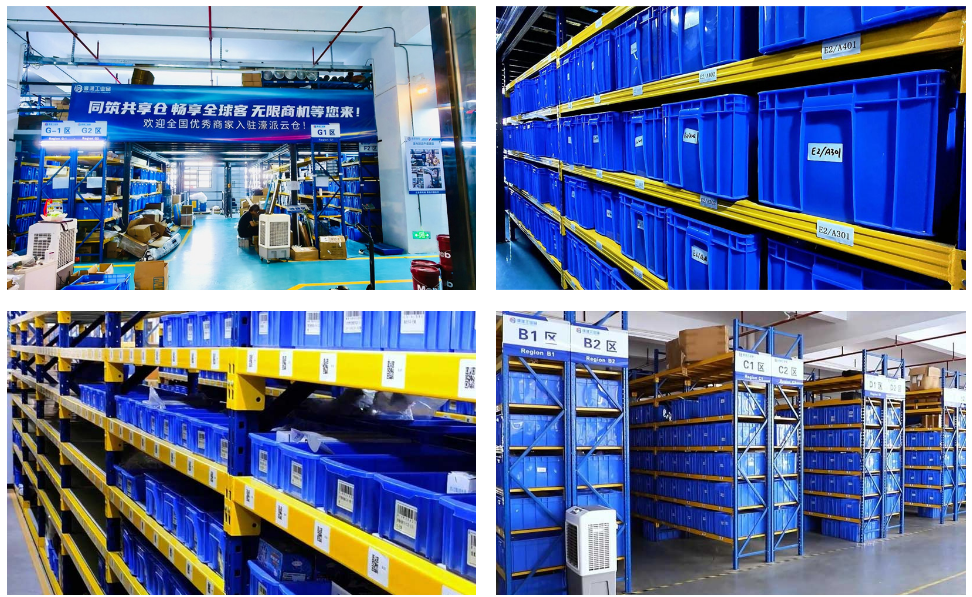
Spare Parts Management: Haopai implemented a smart spare parts management system, with a shared cloud warehouse for critical Woodworking Machine Spare Parts.
Remote Support: Haopai provided 24/7 remote monitoring and support, ensuring that any issues were addressed quickly.
Results:
Uptime Rate: Increased from 85% to 99.9%, with zero unplanned downtime in the first 6 months of implementation.
Material Waste: Reduced from 25% to 3%, saving $60,000 annually.
Contractual Penalties: Eliminated, saving $40,000 annually.
Spare Parts Lead Time: Reduced from 3-5 days to 2-4 hours, thanks to the smart spare parts management system.
Quote from the Company’s Owner: "For a custom furniture manufacturer, downtime is catastrophic—it wastes expensive materials and damages our reputation with high-end clients. Haopai’s Smart Electrical Components have given us the reliability we need to deliver on our promises. The predictive maintenance system and smart spare parts management mean we never have to worry about unexpected failures."
5. Smart Spare Parts Management System
Even with predictive maintenance, having the right Woodworking Machine Spare Parts on hand is critical to minimizing downtime when replacements are needed. Haopai’s Smart Spare Parts Management System complements its Smart Electrical Components, ensuring that manufacturers have access to the right parts at the right time—eliminating delays caused by stockouts or long lead times.
5.1 Key Features of the Smart Spare Parts Management System
5.1.1 Real-Time Inventory Tracking
The system provides real-time visibility of spare parts inventory, both in the manufacturer’s on-site warehouse and in Haopai’s shared cloud warehouse. Key features:
Cloud-Based Inventory Dashboard: Accessible via mobile app or web browser, showing current stock levels, location of parts, and reorder points.
Automatic Stock Alerts: Sends alerts when stock levels fall below the reorder point, ensuring that critical parts are always in stock.
Inventory Optimization: Uses AI algorithms to analyze historical usage data, failure prediction data, and production schedules to optimize inventory levels—reducing excess stock and eliminating stockouts.
For example, if the predictive maintenance system predicts that 5 motor drivers will need to be replaced in the next month, the smart spare parts management system will automatically ensure that those 5 motor drivers are in stock, either in the manufacturer’s warehouse or in Haopai’s shared cloud warehouse.
5.1.2 Shared Cloud Warehouse Network
Haopai operates a network of shared cloud warehouses across China, stocked with critical Woodworking Electrical Parts, CNC Machine Electrical Components, and Electrical Control System Parts. Key benefits:
Regional Proximity: Warehouses are strategically located to ensure fast delivery to manufacturers in all regions—with average delivery times of 2-4 hours for emergency parts and 1-2 days for standard orders.
24/7 Availability: The shared cloud warehouse operates 24/7, with emergency delivery services for critical parts.
Reduced Inventory Costs: Manufacturers no longer need to maintain large on-site inventories of spare parts, as they can rely on Haopai’s shared warehouse for quick access to parts—reducing inventory holding costs by 40-60%.
5.1.3 Part Traceability and Authenticity
The smart spare parts management system provides full traceability for every part, ensuring that manufacturers receive genuine, high-quality components:
Unique QR Codes: Each part is labeled with a unique QR code that tracks its manufacturing date, batch number, quality control results, and delivery history.
Authenticity Verification: Manufacturers can scan the QR code to verify that the part is genuine Haopai equipment, preventing the use of counterfeit parts that can cause machine damage and downtime.
Warranty Tracking: The system tracks the warranty status of each part, sending alerts when a part is approaching the end of its warranty period.
5.1.4 Integration with Predictive Maintenance
The smart spare parts management system is fully integrated with Haopai’s predictive maintenance platform, creating a seamless workflow:
Automatic Part Orders: When the predictive maintenance system predicts a component failure, it automatically generates a spare part order in the smart spare parts management system—ensuring that the part is available when needed.
Maintenance Scheduling: The system coordinates spare part availability with maintenance schedules, ensuring that parts are delivered in time for planned maintenance.
Usage Analytics: The system analyzes spare part usage data to identify trends (e.g., frequent failures of a specific component type), providing insights for equipment upgrades or process improvements.
5.2 Benefits of the Smart Spare Parts Management System
The smart spare parts management system delivers significant benefits for manufacturers:
Reduced Downtime: Fast access to spare parts reduces replacement downtime from hours to minutes.
Lower Inventory Costs: Reduced on-site inventory levels free up capital and storage space.
Improved Part Quality: Guaranteed access to genuine, high-quality parts prevents machine damage from counterfeit components.
Increased Efficiency: Automated inventory tracking and ordering saves time for maintenance and inventory teams.
For example, a medium-sized woodworking manufacturer using the system reduced its spare parts inventory costs by $50,000 annually, while cutting replacement downtime by 80%.
6. Training and Technical Support System
Adopting new technology like Smart Electrical Components requires proper training and ongoing technical support to ensure maximum value. Haopai provides a comprehensive training and technical support system, designed to help manufacturers get the most out of their investment and achieve "zero tolerance for downtime."
6.1 Training Programs
Haopai offers a range of training programs tailored to the needs of different teams (maintenance, production, management), ensuring that everyone has the skills and knowledge to use the Smart Electrical Components and predictive maintenance system effectively.
6.1.1 On-Site Training
Duration: 1-3 days, depending on the complexity of the implementation.
Content: Hands-on training on component installation, calibration, troubleshooting, and the use of the predictive maintenance platform.
Audience: Maintenance technicians, production supervisors, and equipment operators.
Format: Practical demonstrations, hands-on exercises, and Q&A sessions with Haopai’s technical experts.
6.1.2 Online Training
Duration: Self-paced, with modules ranging from 30 minutes to 2 hours.
Content: Video tutorials, interactive quizzes, and downloadable resources covering component basics, platform usage, and maintenance best practices.
Audience: All team members, including those who couldn’t attend on-site training.
Access: Lifetime access to the online training portal, with regular updates for new features and components.
6.1.3 Advanced Training for Maintenance Experts
Duration: 5-day intensive program.
Content: Advanced troubleshooting, AI diagnostics interpretation, component repair, and system customization.
Audience: Senior maintenance technicians and maintenance managers.
Certification: Participants receive a Haopai Smart Electrical Components Certification, valid for 2 years.
6.2 Technical Support Services
Haopai provides 24/7 technical support to ensure that manufacturers receive immediate assistance when they need it.
6.2.1 Remote Support
Availability: 24/7, 365 days a year.
Channels: Phone, email, live chat, and video conferencing.
Services: Remote diagnostics, troubleshooting, platform configuration, and software updates.
Response Time: Average response time of 5 minutes for emergency calls, 30 minutes for non-emergency requests.
Haopai’s remote support team can access the predictive maintenance platform and component data remotely (with the manufacturer’s permission), enabling them to diagnose issues quickly and provide step-by-step solutions.
6.2.2 On-Site Support
Availability: For complex issues that cannot be resolved remotely.
Response Time: 2-4 hours for emergency on-site support in major cities, 24 hours for remote areas.
Services: On-site troubleshooting, component replacement, system optimization, and training reinforcement.
6.2.3 Preventive Support
Regular Check-Ins: Haopai’s technical team conducts monthly check-ins with manufacturers to review system performance, address any concerns, and identify opportunities for improvement.
System Updates: Regular software updates for the predictive maintenance platform and component firmware, ensuring that manufacturers have access to the latest features and improvements.
Performance Reviews: Annual performance reviews to analyze downtime data, maintenance costs, and system effectiveness, providing recommendations for further optimization.
6.3 Knowledge Base and Community
Haopai maintains a comprehensive online knowledge base and user community, providing manufacturers with self-service resources and peer support:
Knowledge Base: Articles, guides, and troubleshooting tips covering all aspects of Smart Electrical Components and the predictive maintenance system.
User Community: An online forum where manufacturers can share best practices, ask questions, and connect with other users.
Webinars and Workshops: Monthly webinars and annual workshops covering new technology trends, case studies, and advanced usage tips.
This training and technical support system ensures that manufacturers are never alone in their journey toward "zero tolerance for downtime," with the resources and expertise they need to maximize the value of their Smart Electrical Components.
7. Investment Return and Cost-Benefit Analysis
While Haopai’s Smart Electrical Components represent a significant investment, their cost-benefit ratio is exceptional, with most manufacturers achieving a return on investment (ROI) within 6-12 months. Below is a detailed cost-benefit analysis, based on data from Haopai’s customers and industry benchmarks.
7.1 Initial Investment
The initial investment in Haopai’s Smart Electrical Components and predictive maintenance system varies depending on the number of machines, the type of components, and the scope of the implementation. For a medium-sized woodworking manufacturer with 50 machines, the initial investment typically ranges from $250,000 to $400,000, including:
Smart Electrical Components (CNC controllers, motor drivers, sensors, electrical distribution panels): $200,000-$320,000.
Predictive maintenance platform license and installation: $30,000-$50,000.
Training and implementation services: $20,000-$30,000.
7.2 Annual Cost Savings
7.2.1 Direct Cost Savings
Downtime Cost Savings: The most significant savings come from reduced unplanned downtime. For a medium-sized manufacturer with 50 machines, unplanned downtime is reduced from 4-6 hours per week to 0.5 hours per month, resulting in annual downtime cost savings of $200,000-$300,000 (based on $2,000-$3,000 per hour of downtime).
Maintenance Labor Savings: Predictive maintenance reduces the need for reactive maintenance and inefficient scheduled maintenance, cutting maintenance labor costs by 30-40%. For a manufacturer with a $100,000 annual maintenance labor budget, this translates to savings of $30,000-$40,000.
Component Replacement Savings: Smart Electrical Components have a longer lifespan (5-7 years vs. 2-3 years for traditional parts) and predictive maintenance ensures that components are replaced only when necessary, reducing component replacement costs by 40-50%. For a manufacturer with a $80,000 annual component replacement budget, this saves $32,000-$40,000.
Material Waste Savings: Reduced downtime-related material waste saves $15,000-$30,000 annually for a medium-sized manufacturer.
Energy Savings: Energy-efficient Smart Electrical Components (e.g., IE5 motor drivers, high-efficiency power supplies) reduce electricity consumption by 10-15%, saving $10,000-$20,000 annually.
7.2.2 Indirect Cost Savings
Inventory Cost Savings: The smart spare parts management system reduces spare parts inventory costs by 40-60%, saving $20,000-$40,000 annually.
Contractual Penalty Savings: Eliminating downtime-related delays saves $10,000-$30,000 annually in contractual penalties.
Customer Retention Savings: Improved reliability and on-time delivery reduce customer churn, saving $50,000-$100,000 annually in lost revenue from customer departures.
7.3 Annual Revenue Growth
In addition to cost savings, Haopai’s Smart Electrical Components enable revenue growth:
Increased Production Capacity: 99.9% uptime allows manufacturers to run 24/7 production, increasing output by 20-30%. For a medium-sized manufacturer with $50 million in annual revenue, this translates to $10 million-$15 million in additional revenue.
New Customer Acquisition: Improved reliability and on-time delivery make manufacturers more competitive, attracting new customers and increasing market share.
Premium Pricing: Some manufacturers are able to command a premium price for their products due to their reputation for reliability and on-time delivery.
7.4 ROI Calculation
For a medium-sized woodworking manufacturer with 50 machines, the ROI of Haopai’s Smart Electrical Components is impressive:
Total Annual Benefits (Cost Savings + Revenue Growth): $10.4 million-$15.6 million.
Initial Investment: $250,000-$400,000.
ROI: ($10.4M-$15.6M / $250k-$400k) × 100% = 2,600%-6,240%.
Payback Period: 6-12 months.
Even for smaller manufacturers with 10-20 machines, the payback period is typically 12-18 months, with long-term annual benefits of $2 million-$5 million.
7.5 Long-Term Value
Beyond the financial ROI, Haopai’s Smart Electrical Components deliver long-term strategic value:
Competitive Advantage: 99.9% uptime and improved efficiency make manufacturers more competitive in a crowded market.
Future-Proofing: Modular design and regular software updates ensure that the system remains compatible with future technology advancements.
Sustainability: Energy-efficient components and reduced waste contribute to environmental sustainability, helping manufacturers meet ESG goals.
8. Future Trends: From Predictive Maintenance to Self-Healing Systems
Haopai is committed to continuous innovation, and the future of Smart Electrical Components lies in the evolution from predictive maintenance to self-healing systems—where machines can diagnose, repair, and optimize themselves without human intervention. Below are the key future trends that will shape the next generation of woodworking electrical components.
8.1 Self-Healing Components
The next generation of Smart Electrical Components will feature self-healing capabilities, enabling them to fix minor issues automatically before they escalate into failures:
Self-Calibration: Components will automatically calibrate themselves to correct for drift and wear, ensuring consistent performance.
Fault Isolation: Components will be able to isolate minor faults (e.g., a loose connection, a small sensor error) and switch to backup systems or adjust operation to compensate—preventing downtime.
Self-Repair: For simple issues (e.g., a clogged sensor, a minor software glitch), components will be able to repair themselves using built-in tools and algorithms.
Haopai’s R&D team is currently developing self-healing sensors and motor drivers, with a planned launch in 2027.
8.2 Advanced AI and Machine Learning
AI and machine learning will become even more advanced, enabling:
Predictive Maintenance 2.0: AI algorithms will not just predict when components will fail but also why they fail, providing insights to prevent similar failures across the entire fleet of machines.
Adaptive Operation: Components will use machine learning to adapt their operation to changing conditions (e.g., varying material quality, temperature fluctuations), optimizing performance and reducing wear.
Prescriptive Maintenance: Instead of just alerting maintenance teams to potential issues, the system will prescribe the exact steps to take to resolve the issue—including parts needed, tools required, and estimated time to complete.
8.3 5G and Edge Computing
The adoption of 5G connectivity and edge computing will enhance the performance of Smart Electrical Components:
Faster Data Transmission: 5G will enable real-time data transmission with ultra-low latency, ensuring that sensor data and AI analytics are processed instantly.
Edge Computing: Data processing will occur at the edge (on the component or machine) rather than in the cloud, reducing reliance on internet connectivity and improving response times.
Massive IoT Connectivity: 5G will support connectivity for thousands of sensors and components simultaneously, enabling comprehensive monitoring of every aspect of the machine.
8.4 Digital Twins
Digital twins—virtual replicas of physical machines and components—will become an integral part of the predictive maintenance system:
Virtual Monitoring: Manufacturers will be able to monitor the performance of virtual replicas of their machines, identifying potential issues in the virtual world before they occur in the physical world.
Simulation and Testing: Digital twins will enable manufacturers to simulate changes to the machine (e.g., upgrading a component, adjusting operating parameters) to see how they will affect performance—without disrupting production.
Lifecycle Management: Digital twins will track the entire lifecycle of components, from manufacturing to disposal, providing insights to optimize maintenance, replacement, and recycling.
8.5 Sustainability and Energy Efficiency
Future Smart Electrical Components will focus even more on sustainability and energy efficiency:
Energy Harvesting: Components will be able to harvest energy from their environment (e.g., vibration, heat, light) to power themselves, reducing reliance on external power sources.
Recyclable Materials: Components will be made from recyclable and biodegradable materials, reducing their environmental impact at the end of their lifecycle.
Carbon Footprint Tracking: Components will track their own carbon footprint, enabling manufacturers to measure and reduce the environmental impact of their operations.
Haopai is leading the way in these future trends, with a dedicated R&D team working on self-healing components, digital twins, and sustainable electrical solutions. By 2030, Haopai aims to launch the first fully self-healing woodworking machine electrical system—taking "zero tolerance for downtime" to the next level.
FAQ (Frequently Asked Questions)
Q1: What is the difference between Haopai’s Smart Electrical Components and traditional woodworking electrical parts?
A1: Unlike traditional woodworking electrical parts (which are passive, non-connected components), Haopai’s Smart Electrical Components are intelligent, connected devices that feature IoT connectivity, AI diagnostics, modular design, and condition monitoring. They can self-monitor their performance, predict failures with 95% accuracy, and enable remote monitoring and control—eliminating unplanned downtime. Traditional parts require reactive or scheduled maintenance, leading to frequent failures and downtime.
Q2: Can Haopai’s Smart Electrical Components be retrofitted to existing woodworking machines?
A2: Yes! Haopai’s Smart Electrical Components are designed to be compatible with most existing woodworking machines (CNC routers, edge banders, sanders, panel saws) from major manufacturers. The components can be retrofitted to older machines, upgrading them with intelligent features without the need to replace the entire machine. Haopai’s technical team will conduct a compatibility assessment of your existing equipment and design a customized retrofitting plan.
Q3: How accurate is the predictive maintenance system in predicting component failures?
A3: The predictive maintenance system has a failure prediction accuracy of 95% for most components, with some critical components (e.g., CNC controllers, motor drivers) achieving 98% accuracy. The system uses AI algorithms that analyze historical performance data, real-time sensor data, and wear patterns to predict when a component will fail—typically 10-30 days in advance. This gives maintenance teams ample time to schedule maintenance during planned downtime.
Q4: What is the lifespan of Haopai’s Smart Electrical Components?
A4: Haopai’s Smart Electrical Components have an average lifespan of 5-7 years—2-3 times longer than traditional woodworking electrical parts (which typically last 2-3 years). This extended lifespan is due to the use of high-quality industrial materials, IP67/IP68 protection ratings, and built-in overload and surge protection. The predictive maintenance system also ensures that components are not overused or subjected to unnecessary stress, further extending their lifespan.
Q5: How does the smart spare parts management system work?
A5: The smart spare parts management system provides real-time inventory tracking of Woodworking Machine Spare Parts, both in your on-site warehouse and Haopai’s shared cloud warehouse. It uses AI algorithms to optimize inventory levels, sending alerts when stock is low. The system is fully integrated with the predictive maintenance platform—automatically ordering spare parts when failures are predicted. Haopai’s shared cloud warehouse network ensures fast delivery, with average delivery times of 2-4 hours for emergency parts.
Q6: What kind of training and technical support is provided?
A6: Haopai provides comprehensive training, including on-site hands-on training (1-3 days), self-paced online training, and advanced certification training for maintenance experts. Technical support is available 24/7 via phone, email, live chat, and video conferencing—with an average response time of 5 minutes for emergencies. Haopai also offers on-site support for complex issues, monthly check-ins, and regular software updates to ensure that you get the most out of your investment.
Call to Action
Unplanned downtime caused by electrical failures is a costly, avoidable problem that no woodworking manufacturer can afford in today’s competitive market. Haopai’s Smart Electrical Components—backed by over 15 years of industry experience, National High-Tech Enterprise certification, and a proven track record of delivering 99.9% uptime—offer a transformative solution to achieve "zero tolerance for downtime."
Whether you’re a large-scale furniture manufacturer with multiple facilities or a medium-sized cabinet maker looking to improve reliability, Haopai has the customized solution you need. Our Smart Electrical Components, predictive maintenance system, smart spare parts management, and comprehensive training and support will eliminate unplanned downtime, reduce costs, and increase production efficiency.
Don’t let electrical failures hold your business back. Contact Foshan Haopai Mechanical and Electrical Equipment Co., Ltd. today to schedule a free consultation, request a demo of our predictive maintenance system, or get a customized quote. Visit our website at [insert website] or email us at [insert email] to take the first step toward "zero tolerance for downtime" production.
The future of woodworking manufacturing is reliable, efficient, and intelligent—are you ready to join it?
Summary
Haopai’s Smart Electrical Components are revolutionizing woodworking manufacturing by eliminating unplanned downtime caused by electrical failures. Through a powerful combination of IoT connectivity, AI diagnostics, modular design, and predictive maintenance, these components deliver 99.9% equipment uptime—transforming the traditional "fix-it-when-it-breaks" maintenance model into a proactive, efficient system.
From core components like smart CNC controllers and intelligent motor drivers to the integrated predictive maintenance platform and smart spare parts management system, Haopai’s solution addresses every aspect of electrical reliability. Real-world case studies demonstrate that manufacturers using Haopai’s Smart Electrical Components achieve significant cost savings, increased production capacity, and improved customer satisfaction.
With comprehensive training and 24/7 technical support, Haopai ensures that manufacturers can maximize the value of their investment, with most achieving ROI within 6-12 months. Looking ahead, Haopai is leading the evolution toward self-healing systems, digital twins, and sustainable electrical solutions—ensuring that manufacturers stay ahead of the curve in an increasingly competitive market.
For woodworking manufacturers aiming to achieve "zero tolerance for downtime," Haopai’s Smart Electrical Components are not just a technology upgrade—they are a strategic investment in reliability, efficiency, and long-term success. The time to eliminate unplanned downtime is now—partner with Haopai and take your manufacturing operations to the next level.
