

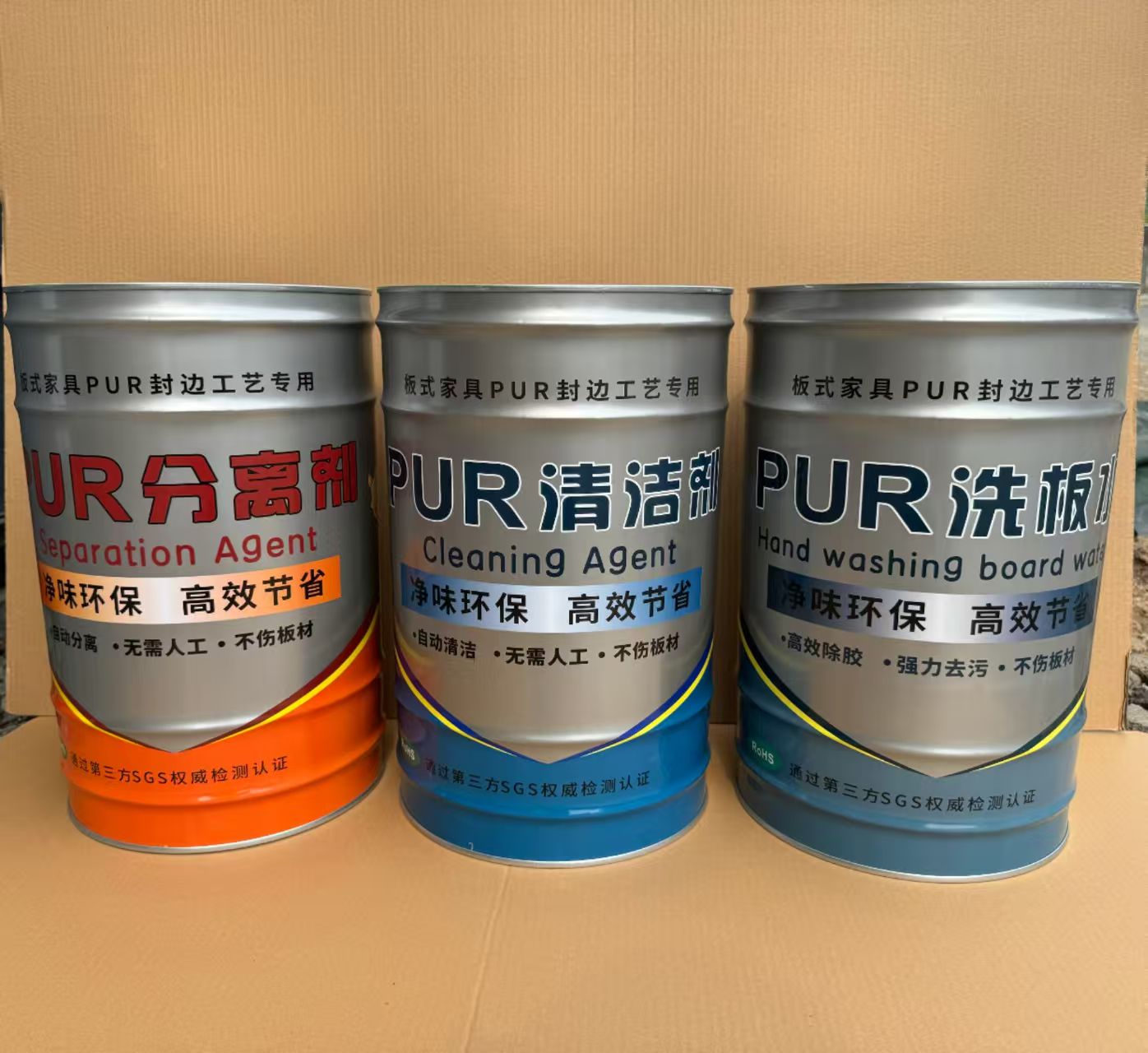
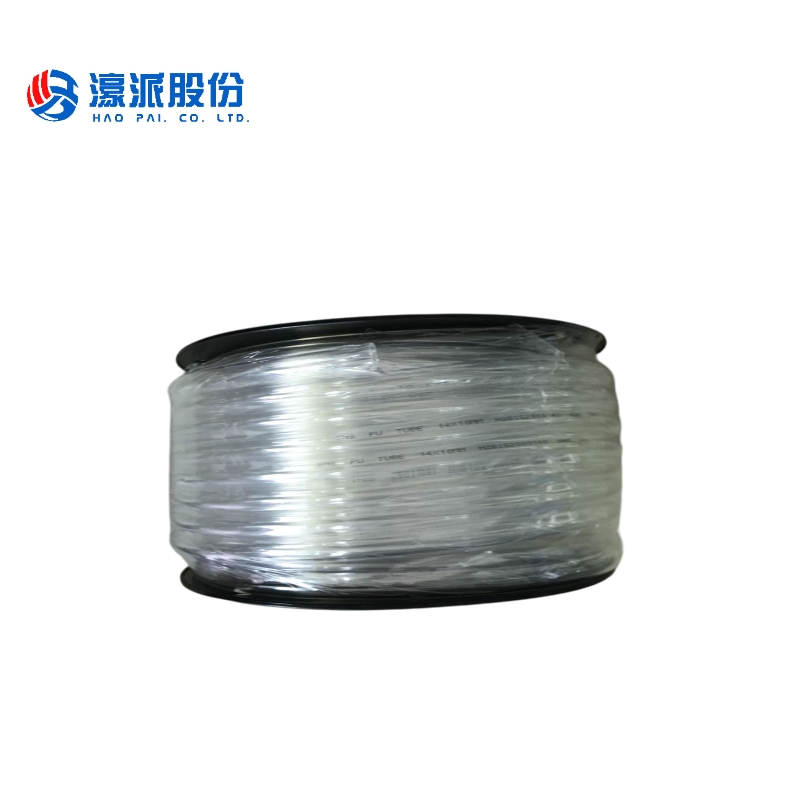
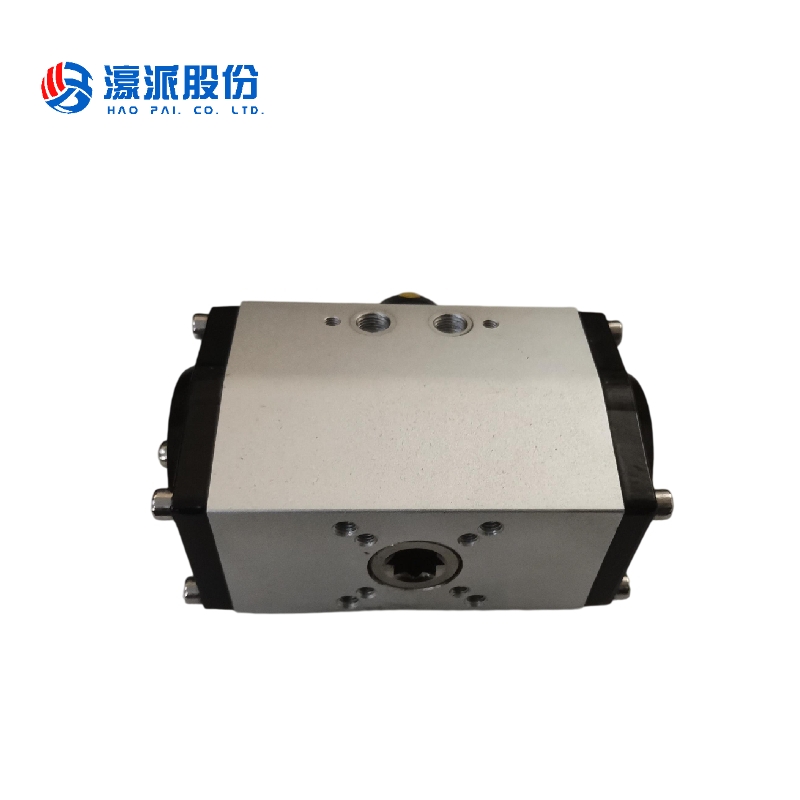
Walk into a typical medium-sized furniture factory, and you'll see the workhorses: the panel saw that's been running for 15 years, the edgebander that needs a gentle thump to start, the finishing line that requires an operator’s constant, watchful eye. These machines are paid for, familiar, and reliable in their own way. Yet, they are also the silent bottlenecks. They can't keep up with smaller batch sizes, can't achieve the precision needed for high-end contracts, and their inefficiency eats away at margins in a fiercely competitive market. For the pragmatic factory owner, the dilemma is acute: how to stay competitive without the multi-million-dollar capital outlay for a brand-new, fully automated line? The answer, increasingly, is not a wholesale replacement, but a surgical woodworking equipment upgrade. The real question for today's savvy manufacturer is: How to achieve cost-effective woodworking equipment upgrade for medium-sized furniture factories? This is not a question of simple repairs, but of strategic retrofitting—a philosophy championed and perfected by pioneers like Foshan Haopai Mechanical and Electrical Equipment Co., Ltd.
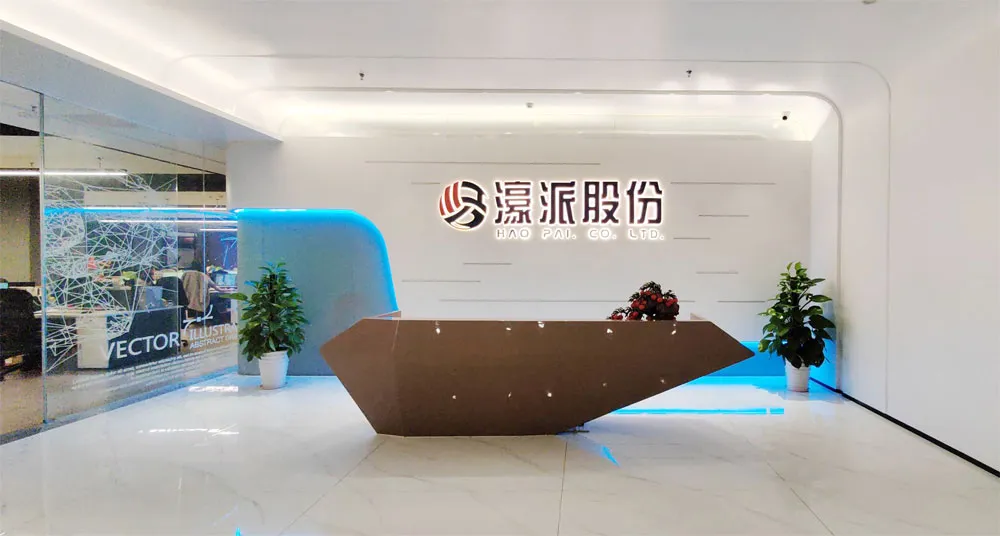
From its origins as a trader of Cutting Equipment Parts in 2008, Haopai’s journey is a mirror to the industry's own evolution. They witnessed firsthand the gap between the bleeding-edge technology of mega-factories and the grounded reality of the small-to-mid-sized shop floor. Their successful pivot into a "National High-tech Enterprise" with its own R&D base wasn't about abandoning their roots, but about applying high-tech solutions to the real-world problems of their core clients. They don't just sell parts; they sell furniture factory efficiency improvement through intelligent, targeted interventions.
The Medium-Sized Factory Conundrum: Stuck Between a Rock and a Hard Place
The pressure on medium-sized furniture manufacturers is unique. They are too large to survive on custom, handcrafted work alone, yet often lack the capital reserves of industrial giants to continuously reinvest in the latest machinery. This creates a painful squeeze:
The Precision Gap: Consumer and B2B demand for flawless fit and finish is higher than ever. A tolerance of ±1mm might have been acceptable a decade ago; today, high-end projects demand ±0.2mm or better. Old mechanical systems simply can't achieve this reliably.
The Labor Crunch: Finding and retaining skilled machine operators is increasingly difficult and expensive. Machines that require constant manual adjustment or feeding tie up valuable human resources on repetitive tasks.
The Flexibility Demand: The era of producing 500 identical cabinets is fading. Today's orders are for 50 of one style, 30 of another, with quick changeovers. Legacy equipment with manual setups kills changeover time and profitability on small batches.
The Hidden Cost of Downtime: When an old machine breaks, finding the right General Woodworking Electrical Parts can take days. Each day of halted production is a direct hit to the bottom line and risks missing delivery deadlines.
Buying new seems like the only answer, but the numbers often don't add up. A new European edgebander can cost upwards of $200,000. For a factory generating $5 million in annual revenue, this is a debilitating investment. This is where the paradigm must shift from replacement to transformation.
The Haopai Methodology: Precision Engineering Meets Pragmatic Upgrading
Haopai’s approach is akin to giving a veteran athlete a cutting-edge prosthetic—enhancing core strength with modern technology. Their "National High-tech Enterprise" status fuels this practical innovation. A cost-effective automation transformation with Haopai is a multi-stage, engineered solution.
1. The Diagnostic Audit: Listening to the Machine
It starts not with a sales pitch, but with a thorough assessment. Haopai’s engineers become machine detectives, spending time on the factory floor to understand:
The True Bottleneck: Is it the saw’s indexing speed? The edgebander's glue pot consistency? The lack of material handling between stations?
Machine Condition: They assess the structural integrity of the base machine. Is the frame solid? Are the guide rails worn? This determines if an upgrade is viable or if core mechanical Cutting Equipment Parts need refurbishment first.
Process Flow: They look at the entire workflow, not just the isolated machine. An upgrade must integrate seamlessly into the existing line.
2. The Targeted Intervention: Surgical Strikes on Inefficiency
Based on the audit, Haopai designs a custom upgrade package. This is never a one-size-fits-all solution. Key interventions include:
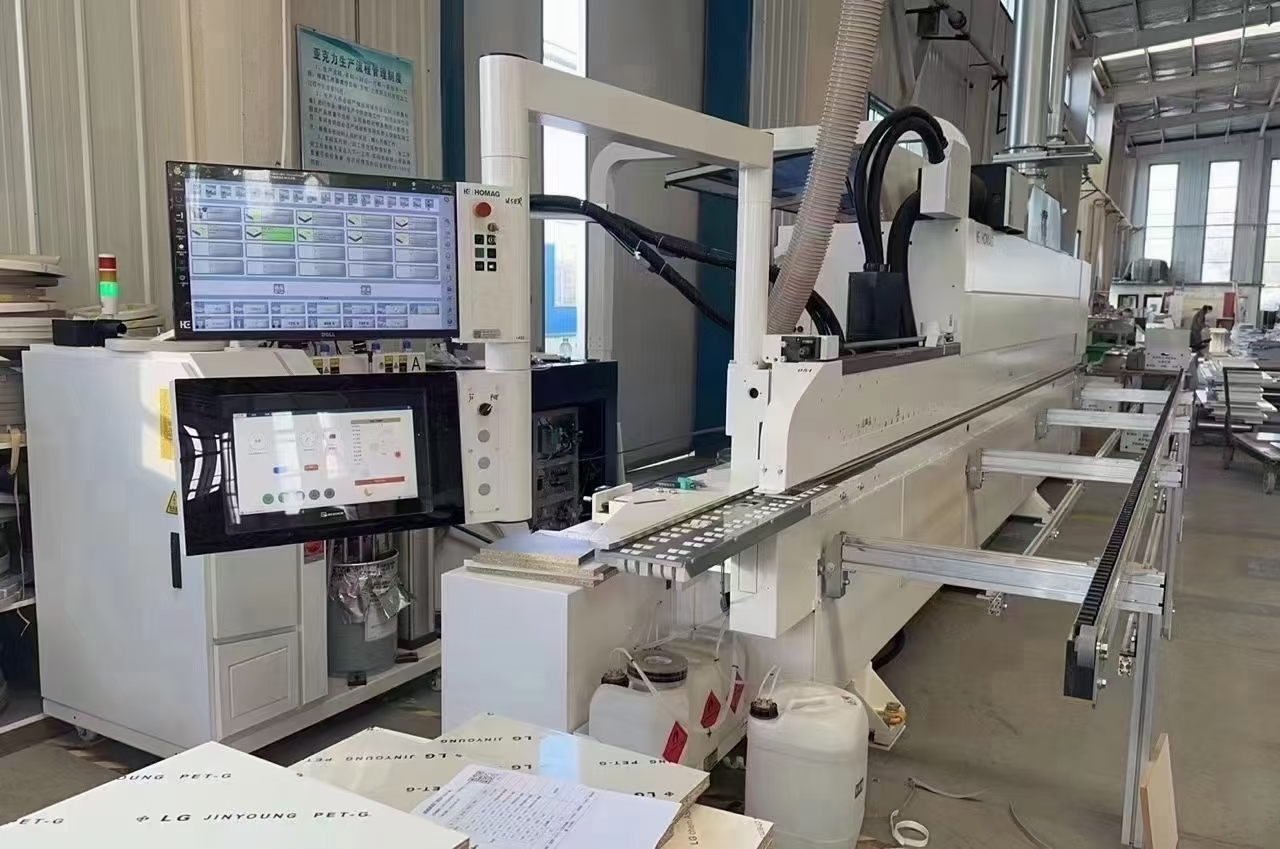
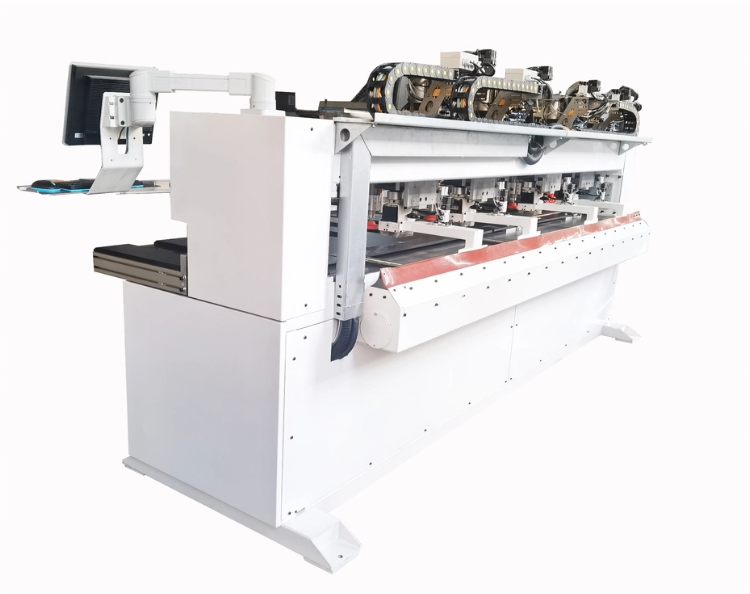
The "Brain Transplant": Retrofitting CNC & Machine Vision. This is where the magic happens. Haopai can retrofit a老旧 (old) panel saw with a new CNC motion control system, servo motors, and a high-resolution linear scale. Suddenly, the saw can store hundreds of cutting programs, execute them with ±0.05mm precision, and change setups at the push of a button. Adding a machine vision system for automatic board alignment eliminates manual measuring and squaring, saving minutes per panel and reducing waste.
The "Nervous System" Overhaul: Upgrading Control Systems and Electricals. Outdated relay-based control panels are replaced with modern PLCs (Programmable Logic Controllers) and touch-screen HMIs (Human-Machine Interfaces). This not only makes the machine more reliable and easier to troubleshoot but also allows for data collection (OEE, cycle times). Simultaneously, failing General Woodworking Electrical Parts—motors, drives, sensors—are swapped for high-efficiency, readily available models.
The "Tooling & Application" Enhancement. For edgebanders, upgrades might include a new precision glue system with temperature control for different adhesives, a high-frequency pre-milling station for perfect edge preparation, and improved trimming units for flawless finish. For boring machines, it could be a retrofit for faster, automated tool change.
3. The Integration & Support: Ensuring the Upgrade Lives Up to Its Promise
Haopai’s owned assembly and debugging workshops are critical. Here, subsystems are pre-assembled and tested before they ever hit the client's floor. The on-site installation is managed by their core technical team, who also train the factory's operators and maintenance staff. This end-to-end ownership—from design to debugging—ensures the woodworking equipment upgrade delivers the promised furniture factory efficiency improvement without creating new operational headaches.
Industry Analysis: The ROI of a Targeted Upgrade vs. New Purchase
| Investment Consideration | Path A: Purchase New Machine | Path B: Haopai Targeted Upgrade | Key Takeaway for Medium-Sized Factory |
| Capital Outlay | Very High ($100,000 - $500,000+) | Moderate (Typically 20%-40% of new machine cost) | Preserves capital for other needs (marketing, inventory, labor). Faster ROI. |
| Implementation Time | Long (Months for ordering, shipping, installation, factory layout changes) | Short (Weeks for audit, retrofit, on-site installation with minimal disruption) | Get back to full, improved production faster. Minimize lost production days. |
| Performance Gain | High (State-of-the-art specs) | High & Focused (Precision, speed, and automation tailored to your specific bottleneck) | Achieves 80-90% of the performance benefit for a fraction of the cost, targeting your actual pain point. |
| Operational Disruption | High (Major installation, possible floor plan changes, new operator training from scratch) | Low to Moderate (Retrofit often uses existing machine footprint; operators familiar with base machine) | Easier workforce adaptation. Less downtime during transition. |
| Technology Relevance | Latest, but may include features you don't need. | Tailored. You pay for the automation and precision you need (e.g., machine vision, CNC control). | Avoids paying for "over-engineering." Solution is perfectly scaled to your operation. |
| Ongoing Support & Parts | Dependent on OEM, often with long lead times and high cost for proprietary parts. | Leverages Haopai's "Shared Cloud Warehouse" for common Cutting Equipment Partsand General Woodworking Electrical Parts. | Faster, more affordable maintenance. Partnership with a local/national tech leader. |
| Residual Value | New machine depreciates rapidly. | Extends the productive life and value of existing capital asset (your old machine). | Turns a depreciated asset into a high-performance one, improving balance sheet optics. |
Case in Point: Transforming a "Tired" Edgebander into a Precision Powerhouse
Consider "Artisan Cabinets," a $8M-revenue factory specializing in custom kitchenettes. Their 12-year-old edgebander was reliable but slow, required constant glue temperature adjustment, and could not handle 45-degree miters consistently, forcing them to outsource high-end work.
Haopai conducted an audit and proposed a cost-effective automation transformation focused on three areas:
Control & Sensing: Replaced the analog thermostat with a digital PID-controlled glue system and retrofitted a PLC with a touchscreen interface for recipe storage.
Precision Mechanics: Installed new servo-driven feed rollers and a high-precision miter cutting unit.
Machine Vision: Added a simple camera system at the infeed to detect board thickness and auto-adjust the pressure roller and glue amount.
The result? A woodworking equipment upgrade that cost less than $35,000.
Efficiency: Changeover time between different board thicknesses and edge materials dropped from 15 minutes to under 2. Overall furniture factory efficiency improvement on edgebanding operations was measured at 32%.
Precision: Miter joints achieved a consistent, gap-free finish of ±0.1mm, allowing Artisan to bring high-end work in-house.
Waste Reduction: The automated glue control reduced adhesive usage by 18%, and the vision system eliminated errors from manual settings.
Their old machine was not a liability anymore; it was a competitive advantage.
Frequently Asked Questions (FAQ)
Q1: Is upgrading old machinery really reliable, or is it just putting a band-aid on a problem?
A: A Haopai upgrade is the opposite of a band-aid. It's a strategic overhaul of the machine's core intelligence and precision components. We assess the machine's "bones"—the frame and structure. If they are sound, we replace the outdated "nervous system" (controls) and "muscles" (drives, motors) with modern, reliable technology. The result is a hybrid machine that combines the robust, paid-for foundation of the old with the brains and accuracy of the new, delivering reliability that often exceeds the original machine's performance.
Q2: What types of equipment are the best candidates for a woodworking equipment upgrade?
A: Panel Saws, Edgebanders, CNC Machining Centers, and Boring Machines are prime candidates. These machines' performance is heavily dependent on control systems, drive accuracy, and tooling—all areas where retrofits yield dramatic results. Simple, single-function machines like sanders may offer less upgrade ROI unless paired with automation for loading/unloading.
Q3: How do you ensure the upgraded machine is safe?
A: Safety is engineered into the upgrade. New control systems include modern safety relay logic and can integrate light curtains, emergency stops, and safety-rated drives. The upgrade process includes a full safety review and compliance assessment, bringing old machines up to current safety standards, which is often a significant benefit in itself.
Q4: We're worried about downtime. How long does an upgrade typically take?
A: This is a core part of Haopai's service planning. Most retrofits are designed for minimal disruption. Critical sub-assemblies are built and tested off-site in our workshops. On-site installation is then a coordinated, swift process, often scheduled over a weekend or planned production break. A typical edgebander or panel saw control system retrofit might involve 3-5 days of on-site work.
Q5: What about future maintenance and parts? Will we be stuck with proprietary components?
A: A key benefit of Haopai's approach is parts commonality. We use high-quality, widely available industry-standard components for drives, PLCs, and sensors. Our "Shared Cloud Warehouse" service ensures rapid access to common Cutting Equipment Parts and General Woodworking Electrical Parts. You gain independence from the original, often obsolete or exorbitantly priced, OEM spare parts network.
Q6: Can these upgrades connect to factory data systems for Industry 4.0?
A: Absolutely. The new PLC-based control systems are the gateway to smart manufacturing. They can provide real-time data on machine OEE (Overall Equipment Effectiveness), cycle counts, and fault alarms. This data can be fed into factory monitoring systems, providing the visibility that medium-sized factories need to make data-driven decisions—a huge leap towards furniture factory efficiency improvement.
A Call to Action for Forward-Thinking Factory Owners
The race is not necessarily won by the factory with the newest equipment, but by the one that wields its existing resources with the greatest intelligence and agility. You don't have to choose between crippling debt and stagnant productivity.
Foshan Haopai Mechanical and Electrical Equipment Co., Ltd. invites you to re-evaluate the potential lying dormant on your shop floor. View your older machines not as relics, but as platforms for innovation.
Begin with a conversation, not a capital request. Contact Haopai’s engineering team for a no-obligation, preliminary audit. Let us walk your floor, listen to your challenges, and identify the single upgrade that would deliver the most impactful furniture factory efficiency improvement for your investment. Discover how a cost-effective automation transformation focused on your panel saw or edgebander can be the catalyst that unlocks higher precision, frees up skilled labor, and wins you the contracts you've been missing. Let us show you how to build the future of your factory on the solid foundation you already own.
Conclusion: The New Arithmetic of Competitive Manufacturing
The question of how to achieve cost-effective woodworking equipment upgrade for medium-sized furniture factories reframes the entire investment conversation. It moves the debate from scarce capital to available equity—the equity in your existing machinery.
Haopai’s model, backed by its "National High-tech Enterprise" R&D prowess, proves that innovation is not synonymous with buying new. It is about intelligently merging legacy strength with modern precision. By focusing on woodworking equipment upgrade through targeted retrofits in controls, vision, and automation, factories can achieve a 30% leap in efficiency, micron-level precision, and newfound flexibility. This isn't just maintenance; it's a strategic cost-effective automation transformation that turns fixed costs into variable advantages. In the challenging landscape of modern furniture manufacturing, the most sustainable competitive edge may not be in the showroom of a new machine vendor, but in the clever, engineered revival of the trusted machines already humming on your production floor.
