
Products
- Cutting Equipment Parts
- General Woodworking Electrical Parts
- Edgebander Machine Parts
- CNC Series Parts
- General Woodworking Components Parts
- Other Woodworking Parts
- Woodworking Screws And Bolts
- Woodworking Nuts And Washers
- Woodworking Rivets
- Woodworking Anchors
- Woodworking Lubricants
- Woodworking Grease Guns
- Woodworking Oil Dispensers
- Woodworking Calipers
- Woodworking Laser Alignment Tools
- Woodworking Measuring Tapes
- Woodworking Levels
- Woodworking Protective Gear
- Woodworking Cleaning Supplies
- Woodworking beam weld
- Others Homag Parts
- BIESSE/SCM Parts
- Nanxing Parts
- KMS Parts
- SCM Parts
- KIMS Parts
- Wrapping Machine Parts
- Roller Conveyor Parts
- Small Woodworking Equipment
- Spare Parts for Biesse Machines
- Spare Parts for Homag Machines
- Spare Parts for SCM Machines
- Laser Head
Featured products
Contact us
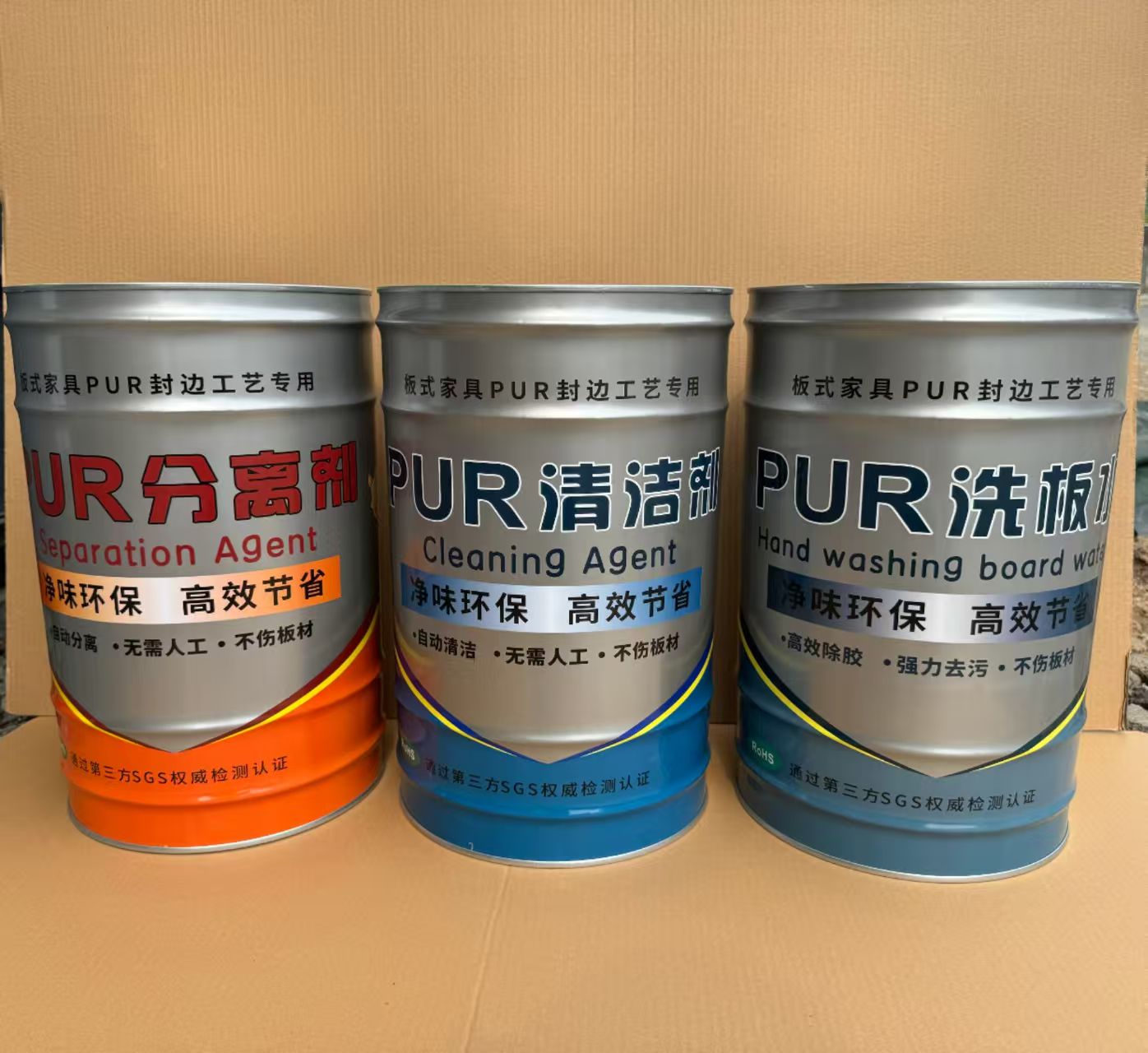
Detergents, separation agents, cleaning solutions for plates.
- Hao School
- Shunde District of Foshan City, Guangdong Province
- 10 days
- Self-production.
- HP025PUR034 ,HP025PUR035,HP025PUR036
- 285*275*450
The cleaners, separation agents, and washing liquids serve different purposes and have distinct focuses, but they are all essential core auxiliaries in industrial production and precision cleaning. The cleaners primarily focus on “universal cleaning,” serving as the foundation of the cleaning process. The separation agents emphasize “anti-stick isolation,” enhancing efficiency from the outset. The washing liquids concentrate on “precision specialization,” catering to high-demand cleaning scenarios.
In various industries such as industrial production, electronic repair, and furniture manufacturing, cleaning and auxiliary processing are crucial steps in ensuring product quality and improving production efficiency. Cleaning agents, separation agents, and washing solutions are three commonly used functional additives. Although they are frequently mentioned, many people find it challenging to distinguish their specific applications, as their uses vary. In reality, each of these three additives plays a unique role and works in concert with one another. Properly combining their uses can significantly reduce labor costs and minimize production risks, making them indispensable “helpers” in various industries. Today, we will delve into the core values, functional differences, and synergistic applications of these three additives, helping you grasp their usage logic with precision.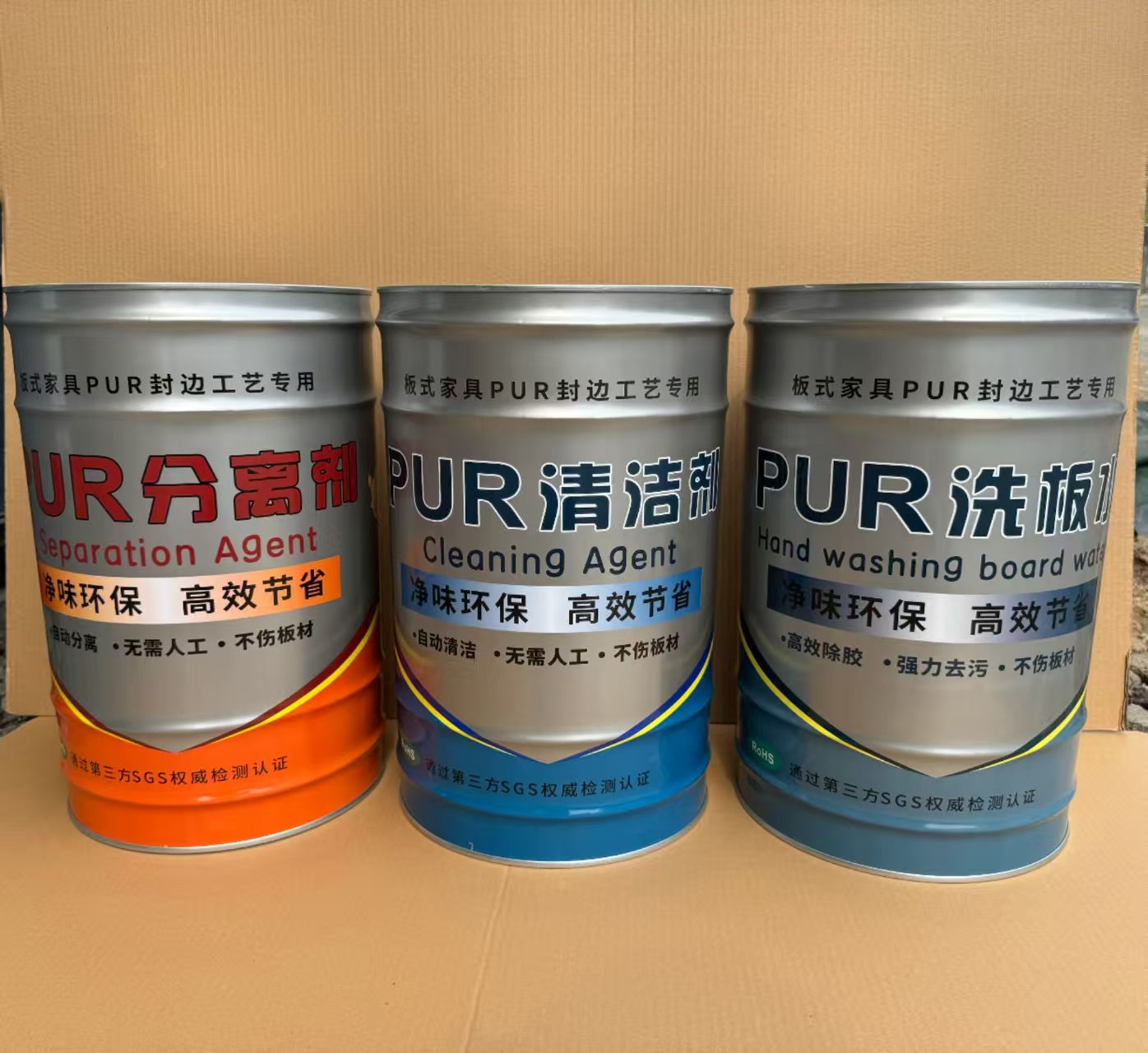
Cleaners: All-in-one to remove dirt and protect surface cleanliness Cleaners are the most widely used, The most basic type of additive, with the core mission of "removing stains, restoring cleanliness," its application scenarios cover many fields such as daily home, industrial production, electronic equipment and other fields, and can be divided into two categories according to use. Compared with detergents and board washing water, the core advantage of cleaning agents is that they are highly versatile, can cope with many types of pollutants, do not need to match specific scenarios, and are the "basic" of the cleaning process. In the industrial field, the formulation of cleaning agents is more specific and is especially widely used in furniture manufacturing and electronics production. In the plate-style furniture sealing process, specialty cleaning agents can efficiently remove PUR glue printing, large-headed pen marks, hot-melt glue residue on the surface of the plate, and have the characteristics of environmentally friendly, non-odorless, non-damaging, and non-leaving marks. After use, the plate can restore its original luster and ensure the appearance and quality of the product. In the field of electronics, electronic grade detergents can remove grease on the surface of printed circuit board (PCB), Dust, fingerprints and a light oxidation layer provide a clean foundation for subsequent welding, coating and other processes, and some precision electronic cleaners can also be used to clean connector touch points, switches and other parts to avoid poor contact problems caused by stains. From the perspective of composition, cleaning agents are divided into water-based and solvent-based types: the water-based type uses deionized water as the main ingredient, adds surfactants, corrosion retardants, etc., and is environmentally friendly, non-flammable, and suitable for scenes with high environmental protection requirements; The solvent type, with organic solvent as the core, is more clean and can quickly dissolve stubborn oil, but it should be kept in mind to prevent fire and explosion, and avoid direct contact with the skin. Whether it is mass cleaning in industrial production or daily local decontamination, detergents have become the first choice in the cleaning process due to their convenience and versatility.
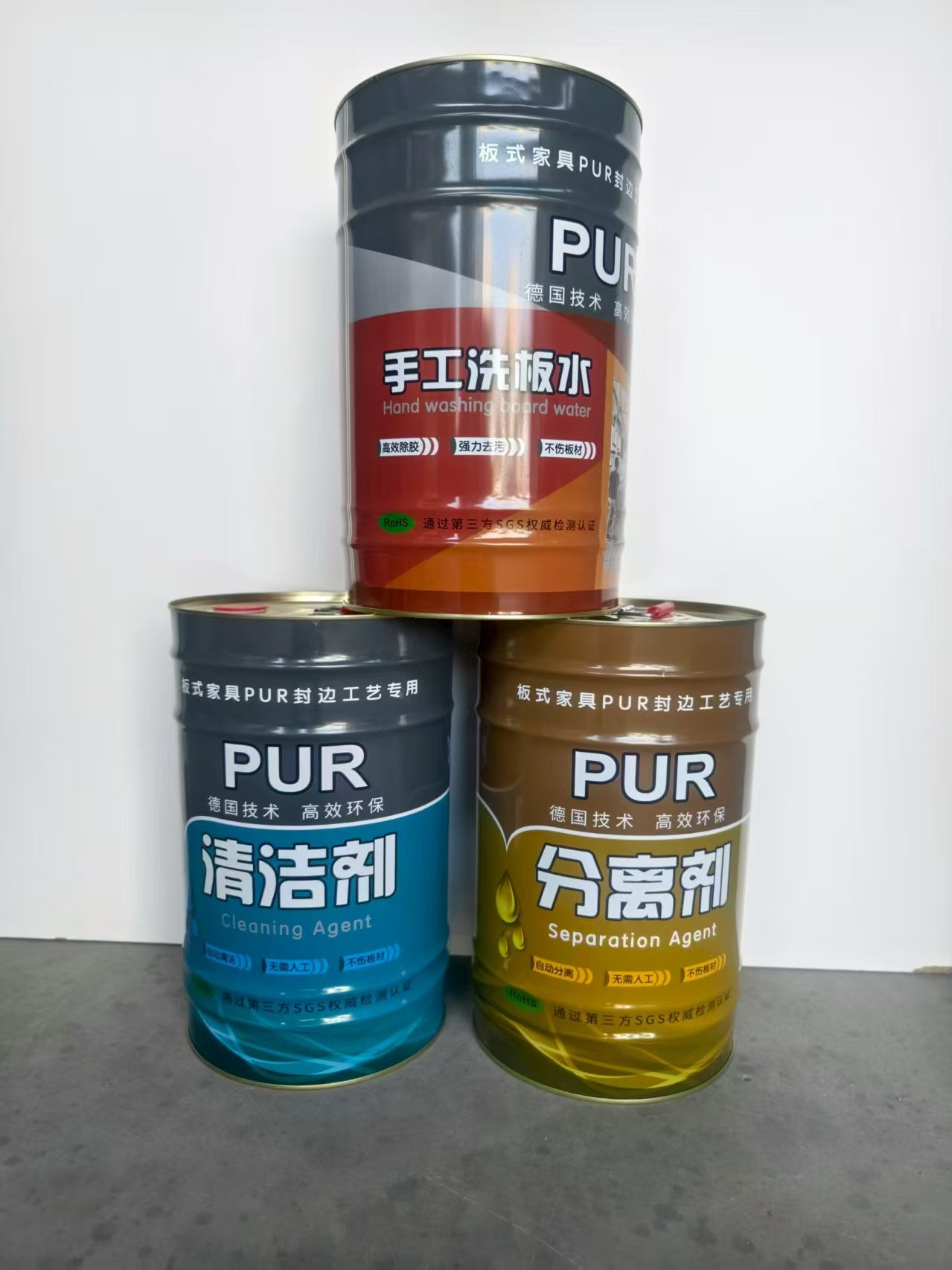
Separation agents: anti-stick isolation and improve production efficiency The core difference between separation agents and cleaning agents is, It focuses not on "decontamination," but on "anti-adhesion," mainly used in industrial production processes to isolate the adhesion between materials and equipment, materials and materials, reduce stain residue from the source, reduce subsequent cleaning costs, and improve production efficiency. Its most typical application scenario is the plate furniture sealing process, and it is also the most frequently used area in conjunction with cleaning agents and plate washing water. In the production of furniture boundaries, the role of separation agents is critical: the separation spraying device through the boundary machine, It is vapoured and sprayed on the surface of the plate (especially the front end of the sealing), which can effectively isolate the PUR hot molten film, prevent the glue from overflowing and adhesive to the surface of a plate, and make the subsequent cleaning work more easily and efficient. According to industry experience, the effect of the separator on the cleanliness of the plate can reach 50%. The high-quality separator has the characteristics of not damaging the board, not damaging equipment, fast drying without residue, and is environmentally friendly and odorless. It has been tested and certified by a third-party SGS authority, conforms to RoHS standards, and can be widely used in various semi-automatic and fully automatic border sealing machines. In addition to furniture manufacturing, detergents are also used in other industrial fields, such as plastic molding and metal processing, to prevent the adhesion of the mold after the molding, reducing product loss and mold cleaning times. Compared with cleaning agents, the use of detergents is more forward-looking - it does not clean after stains have developed, but prevents stain adhesion in advance, improves production efficiency at the source, and is a key "preventive" additive in industrial production.
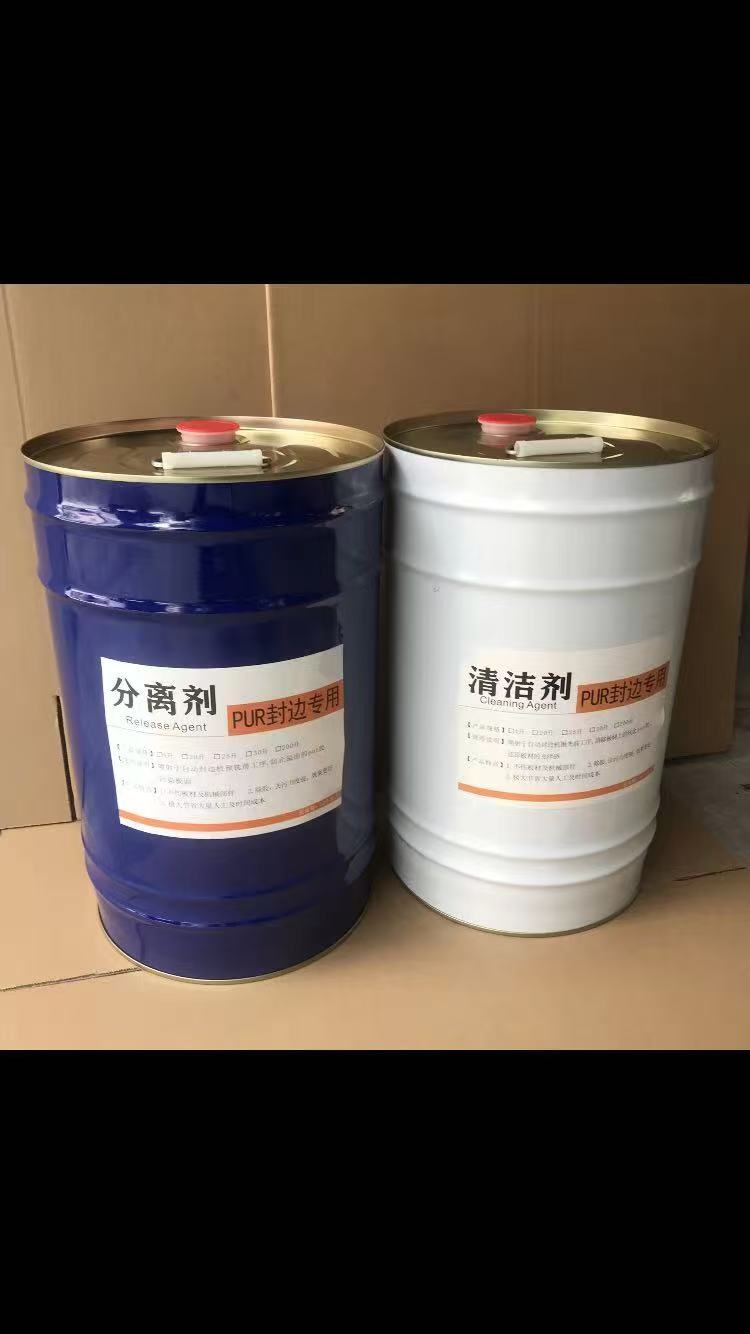
Board washing water: specialized, suitable for precision cleaning scenarios Board washing is the most targeted of the three classes of additives. The core purpose is precision cleaning, especially for circuit board cleaning in the field of electronics, so it is also called "circuit board cleaning," and its core function is to remove pollutants such as solder additives, fragrance, slag and other contaminants after the circuit board is soldered, ensuring the electrical performance and service life of the circuit board. Unlike the versatility of cleaning agents, the formulation of board water is specifically designed for precision electronic components and meets the core requirements of "no residue, no corrosion, and fast drying" to avoid damage to electronic components. According to the type of solvent, board washing water is mainly divided into three categories: chlorinated solvent type, which volatilizes quickly and does not require drying, can quickly dissolve scents and welding aids, and has no residue after cleaning; Carbon-hydrogen solvent type, environmentally friendly and non-toxic, suitable for cleaning precision electronic components; The water-based type needs to be rust-proofed, and is suitable for scenarios with high environmental requirements. The core ingredients are mostly organic solvents, such as isopropyl alcohol, trichloroethylene, terpenes, etc., which can dissolve organic pollutants quickly, and have high permeability, which is able to penetrate deep into the tiny gaps of the circuit board, and remove stubborn residues that are difficult to remove with conventional cleaning agents. In addition to the electronics field, board washing water also has auxiliary applications in furniture manufacturing, For example, after the furniture is sealed, it can be used to remove the residual glue printing and other stains on the plate, further improve the cleanliness of the plate, and form a complete process of "prevent beforehand, assist in the event, and clean after the event" with detergent and cleaning agents. It is important to note that board washing water has certain explosive hazards and toxicity, and some products have an irritating odor, When used, it should be operated in a well-ventilated environment, and the waste liquid should be collected in specially sealed containers and handled by compliance agencies, while strictly following the national VOC limitation value for cleaning agents (GB 38 508-2020).
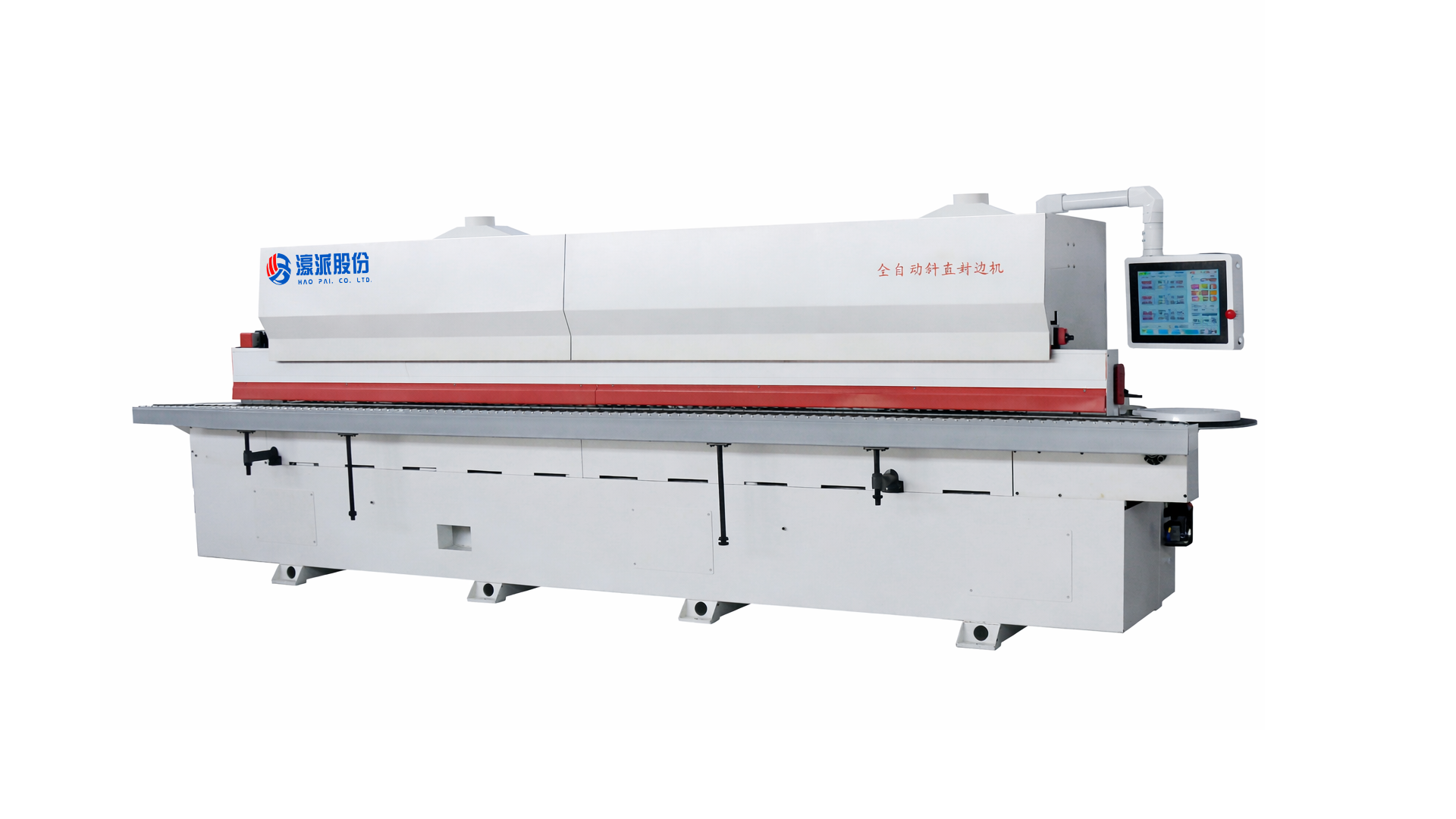
All three work together: each performs its job, unlocking new ways to efficiently clean - detergents,Separation agent and plate washing water are not used independently, and in many industrial scenarios, the three can cooperate to achieve a "1 + 1 + 1 > 3" cleaning effect, especially in plate furniture sealing and electronic production, where this synergy is more obvious. In the plate furniture sealing process, the co-ordination process is clear and efficient: First, before sealing, a detergent is sprayed on the surface of the plate, isolating the hot molten glue, preventing glue adhesion, and reducing stains from the source; Secondly, if a small amount of glue remains during the sealing process, it can be removed in time with a cleaning agent to avoid the solidification of the stain. Finally, after the sealing is complete, the plate is finely cleaned with washing water to remove residual glue prints and minor stains, so that the plate meets high cleanliness standards, while saving a lot of manual cleaning time. The combination of the three has not only improved the appearance of the product, but also greatly improved the production efficiency, becoming the core cleaning scheme of furniture manufacturers. In electronics production and maintenance, synergy is equally critical: before the circuit board is soldered, a cleaning agent removes the surface of dust, grease and oxidation to ensure the quality of the solder. After welding, use plate washing water to precisely remove residues such as welding aids and slag to avoid affecting the electrical performance of the circuit board. If the adhesion problem of precision components is involved, it can be isolated with a detergent to prevent the damage of the components. This mix not only meets the demand for precision cleaning, but also avoids various hazards in the production process, ensuring the reliability and service life of electronic products.
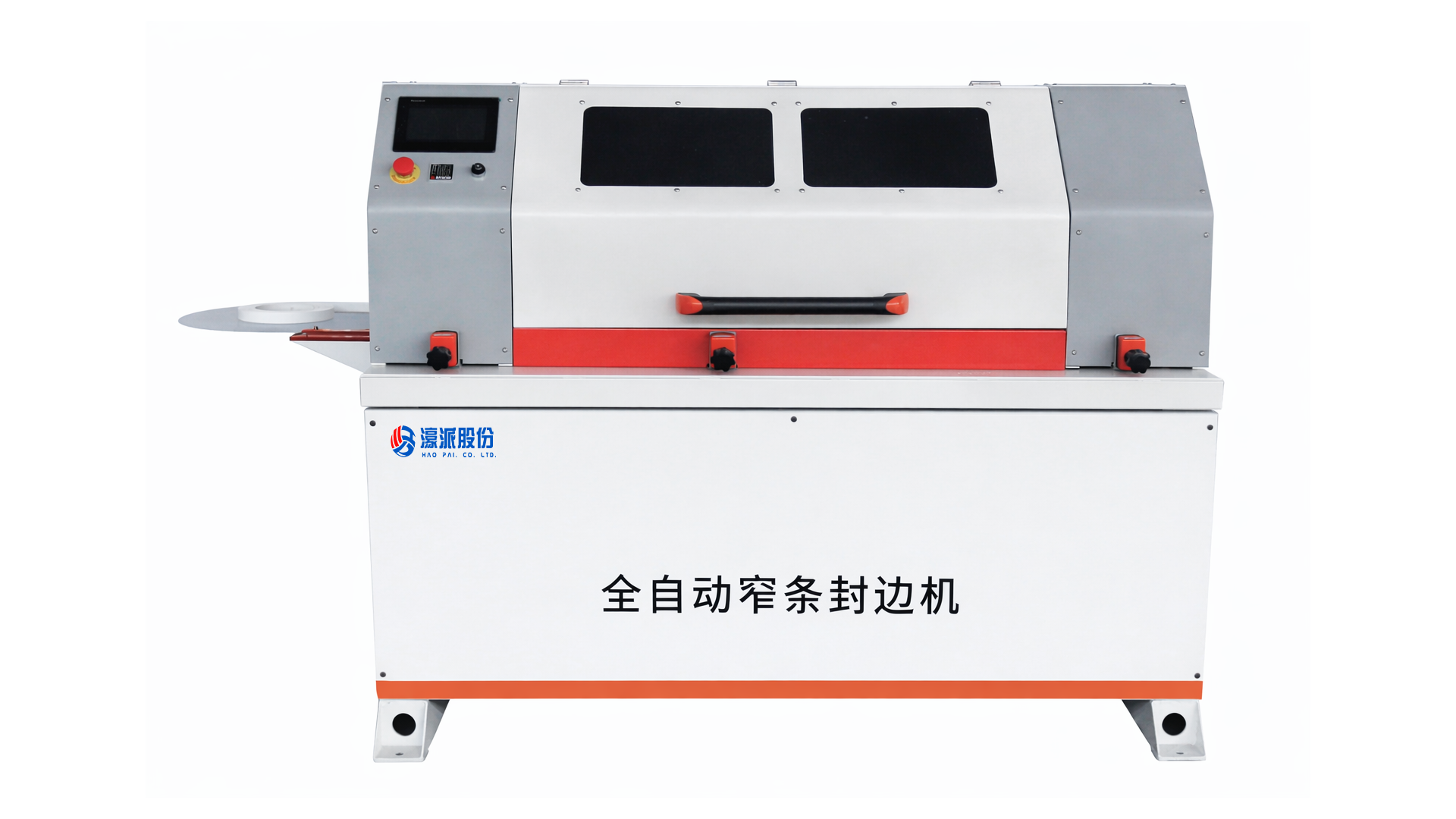
Cleaners, separators, and wash solutions, while having different purposes and emphases, are all essential core auxiliaries in industrial production and precision cleaning. Cleaners primarily focus on “universal cleaning,” serving as the foundation of the cleaning process. Separators emphasize “anti-stick isolation,” enhancing efficiency from the outset. Wash solutions concentrate on “precision specialization,” catering to high-demand cleaning scenarios. In practical applications, one needs only to identify their specific requirements—if it’s for daily cleaning or general cleaning, choose the cleaner first; if it’s for preventing material adhesion and improving production efficiency, opt for the separator; for precision cleaning (such as in circuit board work), select the specialized wash solution. Properly combining these three can not only reduce cleaning costs and improve production efficiency but also ensure product quality, making the cleaning and production processes more efficient and hassle-free. Whether in furniture manufacturing, electronic production, or daily maintenance, choosing the right type of auxiliary agents can effortlessly unlock a new experience of efficient cleaning.