

The hum of a smart factory is a symphony of precision. Robots arm-dance with panels, CNC routers carve paths guided by digital ghosts, and conveyor belts pulse with the rhythm of data. Yet, this modern orchestra is perilously fragile. A single failed servo motor in a critical Cutting Equipment Parts assembly can silence a cell. A micron-level misalignment after a machine relocation can turn precision into scrap. The promise of the smart factory—agility, data-driven efficiency, and lights-out production—is entirely contingent on the physical health and perfect placement of its machinery. This creates a profound vulnerability and a critical question for operations directors and plant managers: How to choose reliable woodworking equipment maintenance & relocation services for smart factories? The answer lies not in finding a mechanic, but in securing a strategic partner—one who understands that in an interconnected system, downtime is not an isolated event, but a network-wide failure. This is the partnership model pioneered by Foshan Haopai Mechanical and Electrical Equipment Co., Ltd.
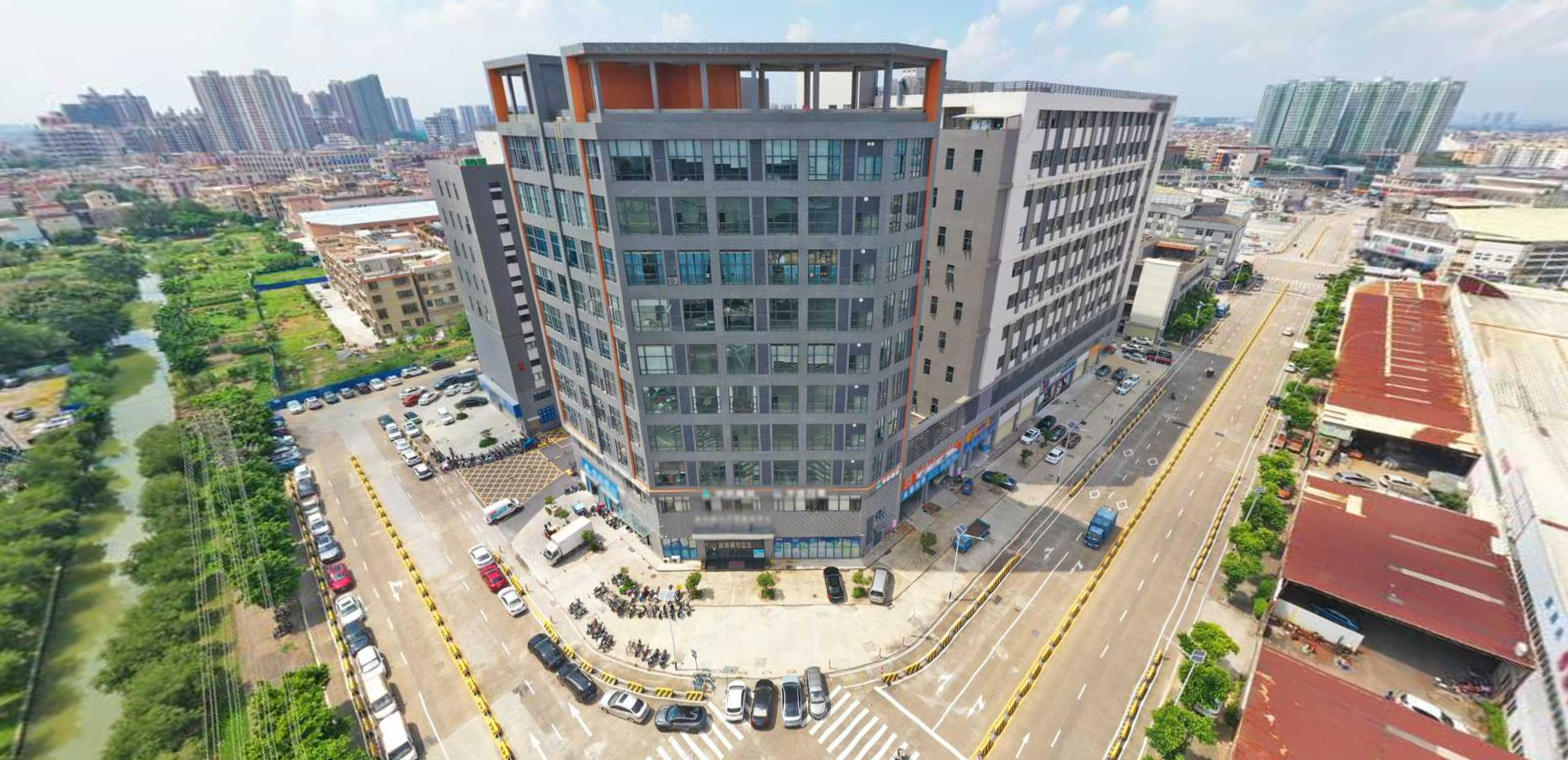
Haopai’s evolution from a parts trader to a “National High-tech Enterprise” is a narrative of deepening responsibility. They started by supplying the lifeblood—the General Woodworking Electrical Parts and Cutting Equipment Parts. But they quickly learned that selling a spare gear is just the beginning; the real value is in ensuring that gear never needs replacing unexpectedly, and if it does, that its replacement is a swift, surgical operation. Their sprawling facilities—assembly workshops, debugging bays, and a shared cloud warehouse—are not just for building new machines, but for sustaining the entire ecosystem of woodworking production, making them a cornerstone of true smart factory support.
The Smart Factory’s Unique Vulnerability: When Everything is Connected, Everything is at Risk
The intelligence of a smart factory amplifies both its potential and its peril. The maintenance and relocation challenges are fundamentally different from those in a traditional workshop:
The Domino Effect of Downtime: In a legacy factory, one machine down slows a line. In a smart factory, where a robotic feeder serves three CNC machines, its failure stops all three. The cost of downtime is exponentially higher, measured in terabytes of lost data flow and broken just-in-time promises, not just idle labor.
Precision as a Non-Negotiable: Smart factories run on tolerances measured in hundredths of a millimeter. A traditional relocation service might get a machine "running," but a smart factory requires it to be returned to its original, data-sheet calibration. A 0.1mm misalignment in a panel saw can cascade into fitting failures across an entire batch of custom cabinetry.
The Obsolescence-Integration Tango: Smart factories often run a mix of brand-new automated cells and legacy machines retrofitted with sensors. Maintenance requires fluency in both 20-year-old relay logic and modern IoT protocols. The service provider must speak both languages.
The Data-Driven Demand: Maintenance can no longer be reactive or even just scheduled; it must be predictive. But predicting failures requires interpreting data from vibration sensors, thermal cameras, and motor currents—a skill set far beyond traditional mechanical repair.
Choosing a service partner on price or geographic convenience alone is a catastrophic risk. The selection criteria must be as sophisticated as the factory itself.
The Haopai Protocol: A Triad of Readiness, Response, and Restoration
Haopai’s approach to woodworking equipment maintenance and relocation is a comprehensive doctrine built on anticipation, capability, and precision. It’s a smart factory support system in action.
1. Proactive Health & Readiness: Preventing the Domino from Falling
Haopai moves far beyond "fix-it-when-it-breaks." Their service begins with prevention.
Predictive Partnership: Leveraging their deep knowledge of component lifespans, they help clients establish predictive maintenance schedules. They don’t just wait for a spindle bearing to scream; they analyze run hours and recommend pre-emptive replacement based on statistical failure models, using parts from their vast inventory.
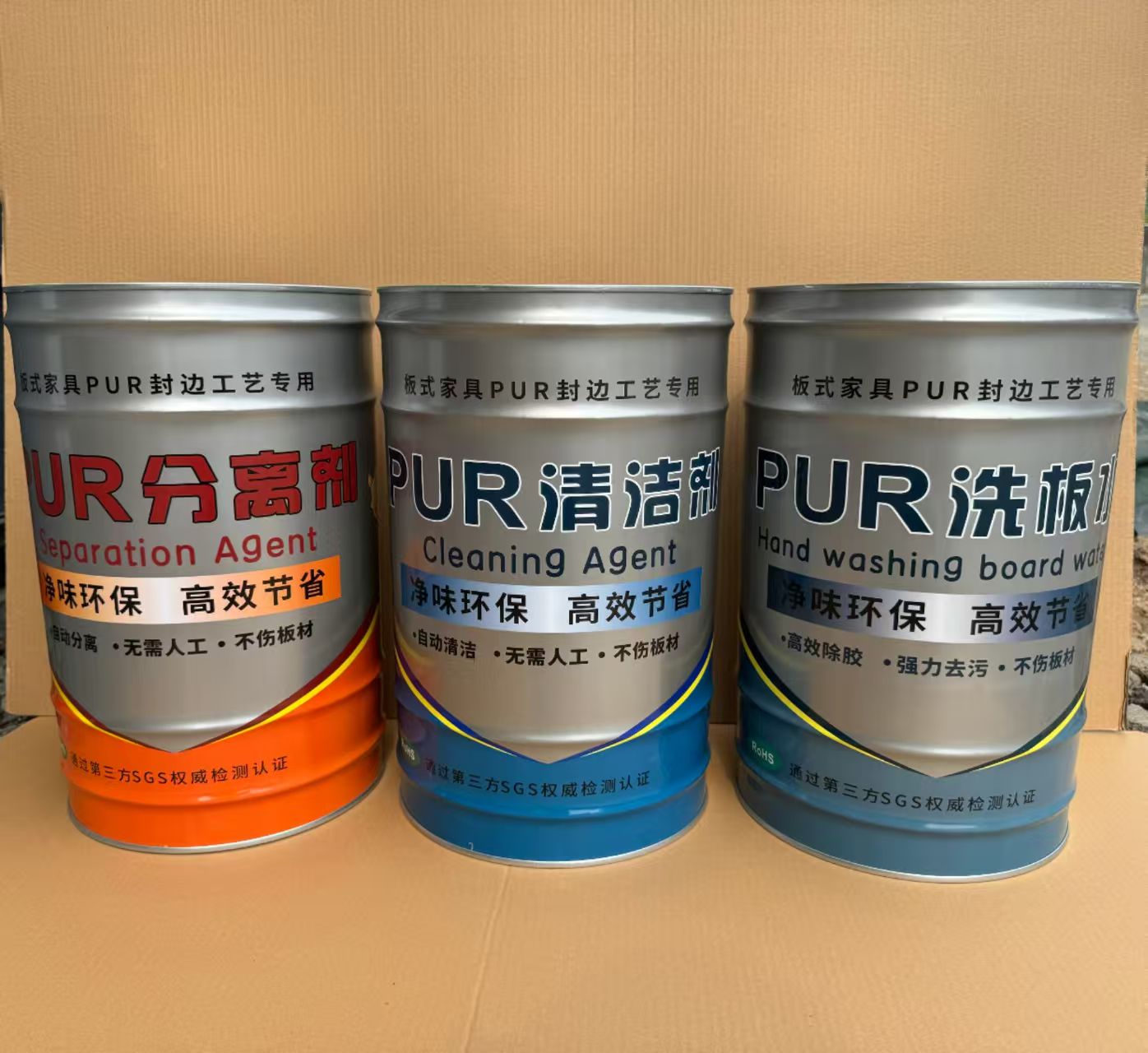
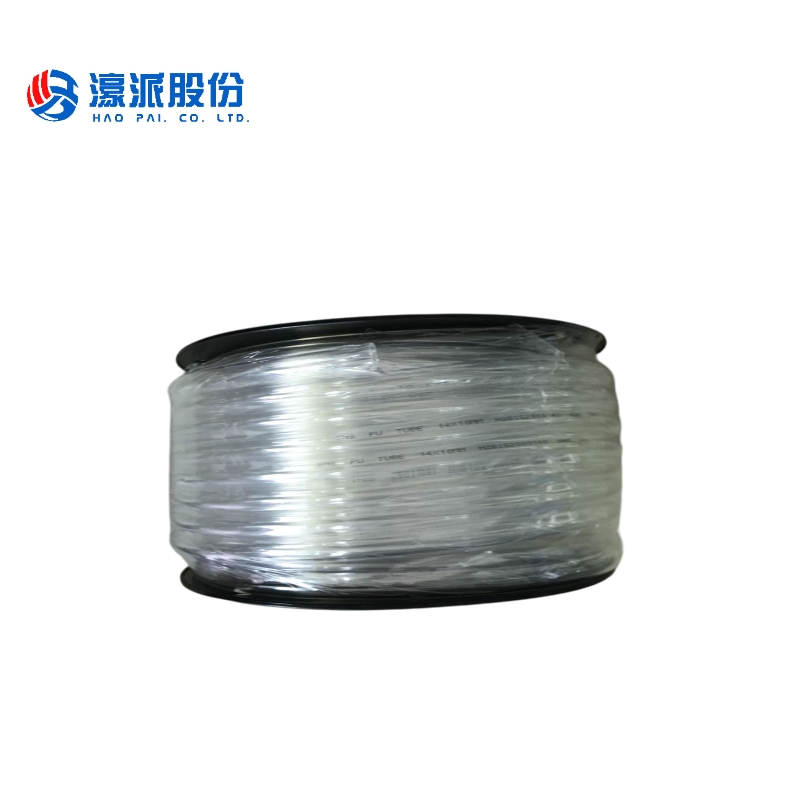
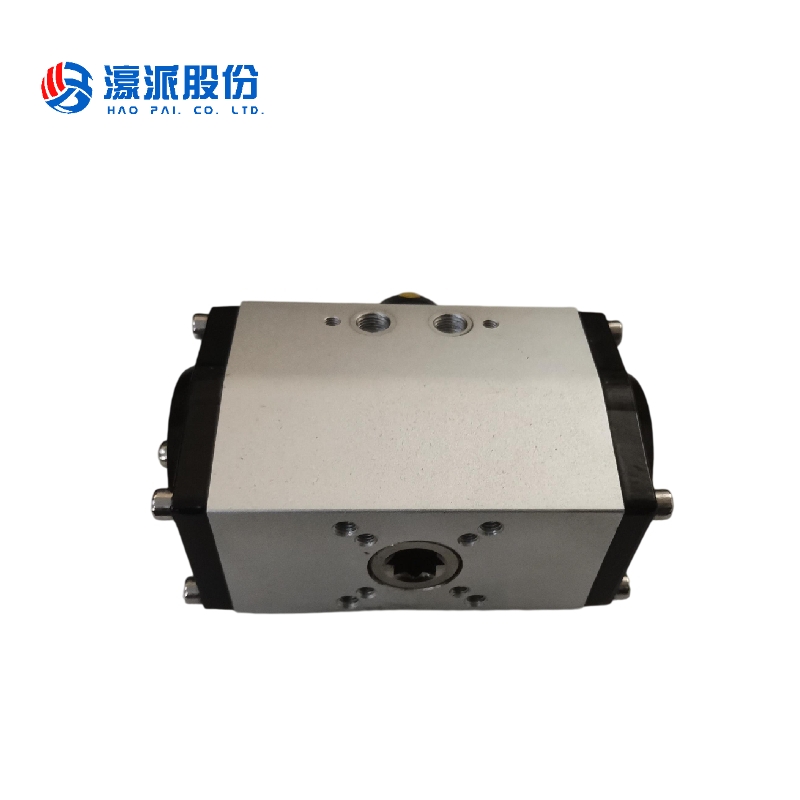
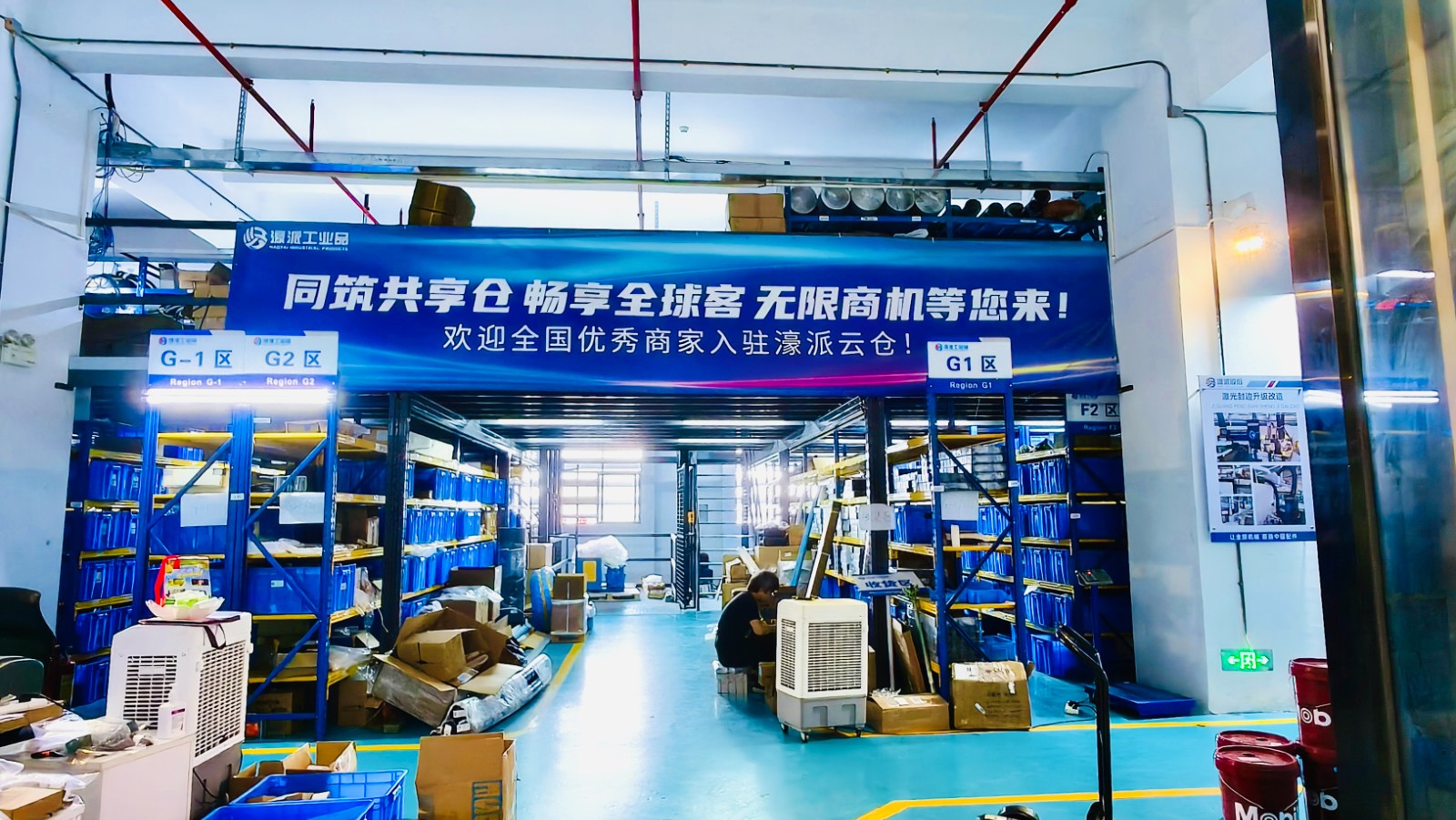
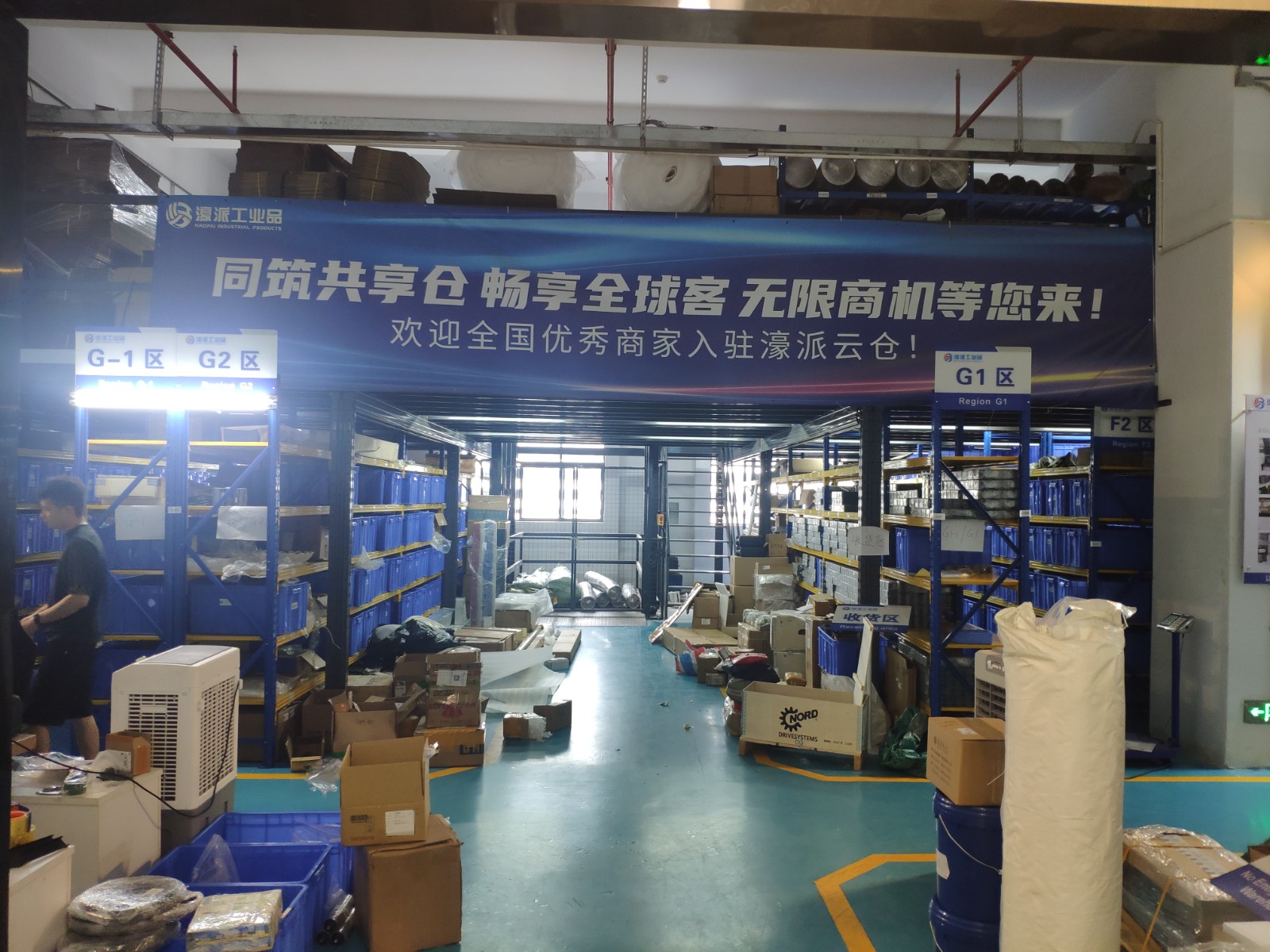
The "Shared Cloud Warehouse" – Your Virtual Tool Crib: This is a game-changer for emergency spare parts service. For subscribed clients, Haopai maintains a digitally mapped reserve of critical, long-lead-time Cutting Equipment Parts (specialized saw blades, rare guide rail sections) and General Woodworking Electrical Parts (specific servo drives, proprietary PLC modules). When a failure occurs, the part isn’t sourced from an overseas OEM with a 6-week lead time; it’s often available for dispatch within 24 hours. This transforms a potential month-long stoppage into a 48-hour hiccup.
Knowledge-Transfer & Training: Haopai technicians train in-house maintenance teams on first-line diagnostics and routine care, creating a more resilient first layer of defense.
2. Surgical Response & Relocation: The Art of Controlled Intervention
When action is required—whether for a breakdown or a planned factory move—Haopai executes with methodological precision.
Maintenance as Diagnosis, Not Guesswork: Their technicians arrive equipped with more than tools; they come with data loggers, laser alignment systems, and vibration analyzers. They don’t just replace a part; they diagnose why it failed—was it a misalignment, a voltage spike, a programming error? This root-cause analysis prevents recurrence.
Relocation as Recalibration, Not Just Moving: Moving a smart machine is a three-act play: Decommissioning, Translocation, and Recommissioning.
Decommissioning: Meticulous documentation of every machine parameter, bolt tension, and alignment shim. Creating a "digital twin" of its as-is perfect state.
Translocation: Using specialized rigging and transport to protect the machine’s structural integrity from shock and vibration.
Recommissioning: This is where Haopai’s equipment commissioning workshop experience is vital. The machine isn’t just re-leveled; it’s laser-aligned, ball-bar tested for geometric accuracy, and its control systems are re-integrated with the factory network. It’s returned not just to "on," but to "optimal," often achieving better than original specs through careful re-alignment.
3. Lifecycle Support & Evolution
Haopai views maintenance and relocation as part of the equipment’s lifecycle. A relocation project often becomes an opportunity for a strategic woodworking equipment upgrade—adding a new sensor during reassembly or updating a control panel. Their service is not a dead-end transaction but a chapter in an ongoing partnership for smart factory support.
Industry Analysis: Evaluating Service Partners for the Smart Factory Era
| Service Dimension | Traditional "Break-Fix" Service Provider | Haopai Integrated Smart Factory Support | Impact on Smart Factory Operations |
| Service Philosophy | Reactive. Responds to failure. Focuses on the broken component. | Proactive & Predictive. Aims to prevent failure. Focuses on system health and uptime. | Shifts cost from high emergency repair to lower planned maintenance. Drastically increases Overall Equipment Effectiveness (OEE). |
| Parts Availability | Limited local stock. Relies on OEM supply chains with long lead times. "We'll order it for you." | "Shared Cloud Warehouse" for critical spares. Vast inventory of Cutting Equipment Parts & General Woodworking Electrical Parts. "We likely have it." | Turns potential weeks of downtime into days or hours. The core of a reliable emergency spare parts service. |
| Technical Expertise | Mechanical/electrical focus. May struggle with integrated automation, CNC controls, and data systems. | Multidisciplinary. Core team understands mechanics, precision alignment, PLC programming, robotics, and network integration. | Can diagnose and fix the integrated system, not just the isolated machine. Essential for complex cells. |
| Relocation Methodology | "Lift and Shift." Focus on physical move. Recommissioning is basic: power on and check for obvious issues. | "Digital Twin to Recalibration." Documents pre-move state, uses precision tooling for re-installation, validates performance to original specs. | Ensures post-move productivity is 100% (or higher). Protects the capital investment and data integrity of the production process. |
| Data Utilization | Minimal. Relies on technician experience. | Leverages data. Uses machine history, component MTBF (Mean Time Between Failure) data, and diagnostic tool outputs to inform decisions. | Enables transition from scheduled to predictive maintenance. Informs smarter spare parts inventory planning. |
| Relationship Model | Transactional. Vendor-client. | Strategic Partnership. An extension of your operational team. Invested in your factory's long-term productivity. | Aligns incentives. The partner succeeds when your factory runs smoothly, fostering collaboration on continuous improvement. |
Case in Point: The Seamless Symphony of a Smart Factory Relocation
Consider "Precision Interiors," a manufacturer of high-tech office pods. They needed to move their entire smart line—a robotic material handling system feeding two 5-axis CNC machines and an automated edgebanding cell—to a new, larger facility. The risk was monumental: a botched move could mean months of recalibration and millions in lost orders.
They partnered with Haopai, who treated the project as a military operation:
Phase 1 – The Digital Snapshot: For two weeks, Haopai engineers mapped every machine. They recorded thousands of parameters, laser-scanned alignments, and backed up all CNC and robot programs.
Phase 2 – The Orchestrated Move: Each machine was disassembled into logical modules, meticulously packed with custom crating. The delicate robot tracks were transported as single, supported units.
Phase 3 – The Precision Resurrection: In the new facility, reassembly wasn't guesswork. Using the pre-move data, machines were realigned to sub-millimeter precision. The entire cell was reassembled and put through a dry-run cycle in isolation.
Phase 4 – The Data Reintegration & Live Fire: The machines were reconnected to the factory’s Manufacturing Execution System (MES). A test batch was run, and the output was measured against the known quality standards from the old facility.
The result? The line was fully operational, at full precision, in the new factory within 15 days of the physical move. The first production batches met all quality specs with zero deviation. This wasn’t a relocation; it was a transplantation of a living production system.
Frequently Asked Questions (FAQ)
Q1: What exactly is included in your "Shared Cloud Warehouse" for emergency parts?
A: Think of it as our strategic reserve of the parts that hurt the most when they fail. It includes proprietary or long-lead Cutting Equipment Parts like specific model carbide-tipped saw blades, rare profile cutter heads, and precision-ground guide rails. For General Woodworking Electrical Parts, it covers critical servo drives, specialized PLC communication modules, high-end frequency inverters, and proprietary sensors from major brands. It’s not every nut and bolt, but the 100 items whose absence would stop your line for weeks.
Q2: How do you handle maintenance for custom, non-standard equipment you didn't originally build?
A: Our DNA is in non-standard automation. This gives us a unique advantage. We reverse-engineer the machine's function. We analyze its mechanical systems (often built from standard Cutting Equipment Parts) and its control logic. Our strength is in systems thinking, not just brand loyalty. We become experts in your unique machine because we understand the principles on which all automation is built.
Q3: We have a planned factory expansion in 12 months. When should we engage a relocation partner?
A: Now. The most successful relocations start in the planning phase. We can consult on the new factory layout for optimal flow, advise on foundation requirements for sensitive equipment, and help plan the phased move to minimize disruption. Engaging us early turns us from a moving crew into a strategic planning partner, saving immense time and cost later.
Q4: Can your maintenance services integrate with our existing IoT/ predictive maintenance platform?
A: Absolutely. This is central to modern smart factory support. We can work with your data team to understand the output of your sensors. More importantly, our technicians can help you calibrate what those sensors are telling you—translating a vibration frequency into a specific bearing wear condition, for example. We can also feed our service reports and parts replacement data back into your platform, enriching your asset history.
Q5: What qualifies your team to work on precision equipment? What tools do they use?
A: Our technicians are trained in both classic mechanical alignment and modern metrology. They use laser interferometers for straightness and squareness checks, ball-bar systems for circular interpolation testing on CNCs, and digital dial indicators with micron resolution. They are as much metrologists as they are mechanics. This toolset is non-negotiable for woodworking equipment maintenance in a precision environment.
Q6: How do you price your services? Is it purely time-and-materials?
A: We offer flexible models. For reactive emergency spare parts service, it's typically time-and-materials. For proactive clients, we offer Managed Service Agreements. This is a fixed monthly or annual fee that covers scheduled preventative maintenance, priority response, and sometimes a guaranteed stock reservation in our Shared Cloud Warehouse. This model aligns our success with your uptime and provides predictable operational budgeting for you.
A Call to Guardians of the Modern Factory
Your smart factory is a living, breathing entity of capital, data, and potential. Its care cannot be an afterthought or a lowest-bidder gamble. The partner you choose for its maintenance and movement holds the health of your entire operation in their hands.
Foshan Haopai Mechanical and Electrical Equipment Co., Ltd. invites you to think differently about support. We are not a vendor to be called in desperation, but a pillar of your operational resilience.
Initiate a resilience audit. Contact our service planning team. Don’t wait for a crisis. Let’s review your critical equipment list, your spare parts vulnerability, and your long-term facility plans. Let us demonstrate the depth of our Shared Cloud Warehouse for your most vulnerable Cutting Equipment Parts. Discuss how a Managed Service Agreement can transform your maintenance from a cost center into a reliability engine. Choose a partner who doesn’t just fix machines, but who sustains the very heartbeat of your smart factory support system. In the age of automation, the most intelligent choice you can make is choosing the right guardian for your automation.
Conclusion: The Unseen Infrastructure of Excellence
The question of how to choose reliable woodworking equipment maintenance & relocation services for smart factories ultimately points to a fundamental truth: the most advanced production in the world is built on a foundation of mundane, meticulous care. Precision is not a static achievement but a dynamic state maintained by expert intervention.
Haopai, with its “National High-tech Enterprise” mindset, has redefined this essential service layer. They have built an ecosystem—from the Shared Cloud Warehouse ensuring emergency spare parts service to the precision engineering of their relocation protocols—that treats factory equipment not as isolated assets, but as interconnected organs in a productive body. Their model of woodworking equipment maintenance and relocation is the unseen, intelligent infrastructure that allows the smart factory’s brilliant mind to function through a perfectly maintained, reliably positioned physical form. In the final analysis, the sustainability of your intelligent edge depends not just on the code you write, but on the partners you trust to keep the machines that run it in flawless, humming health.
