

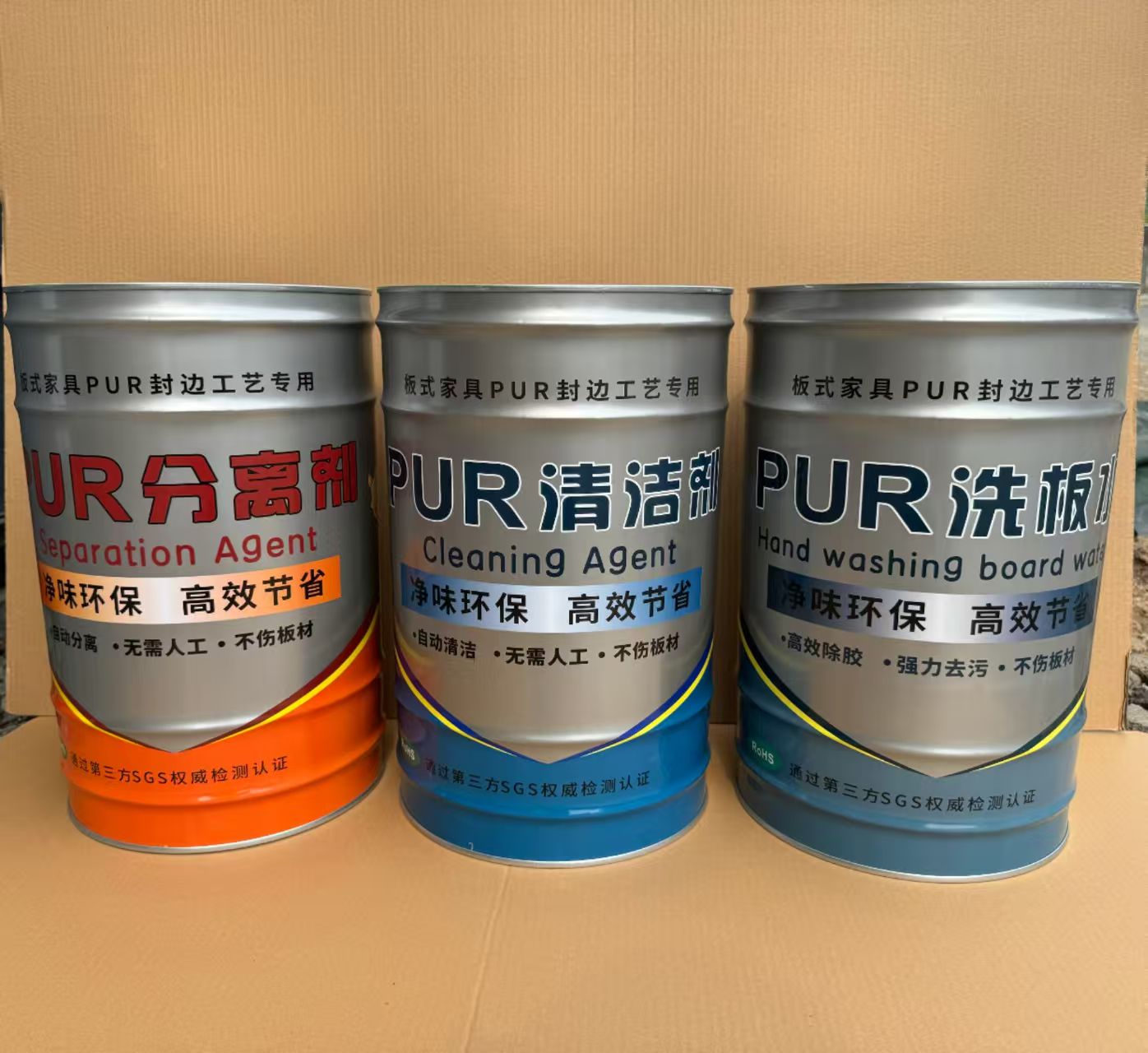
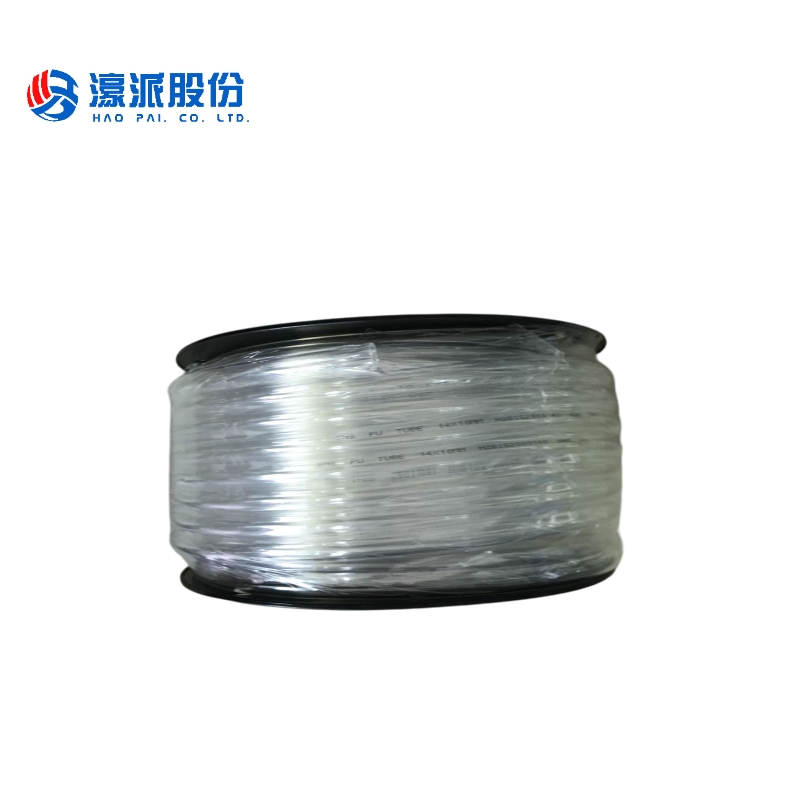
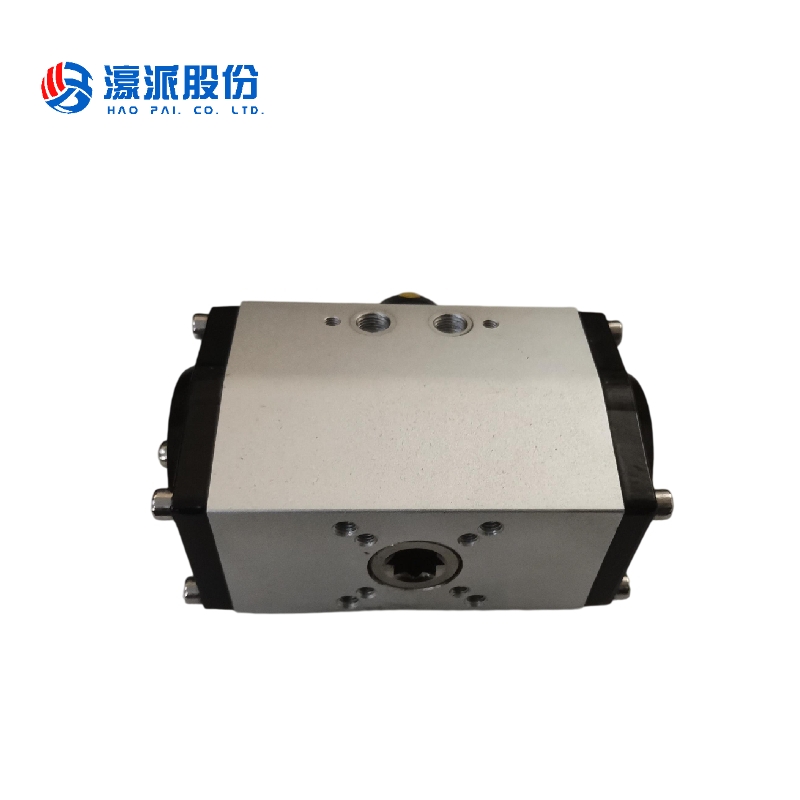
The global furniture industry is undergoing a structural shift. Rising labor costs, increasing demand for customization, and tighter delivery cycles are pushing manufacturers to rethink how production is organized. Traditional methods, once effective for mass production, are now struggling to keep up with dynamic market demands.
In this evolving landscape, the integration of custom woodworking components and intelligent automation is no longer optional—it is becoming the foundation of competitive manufacturing.
Foshan Haopai Mechanical and Electrical Equipment Co., Ltd., with its transformation from a parts trading company to a comprehensive technical enterprise, stands at the forefront of this transition, delivering full-chain digital automation solutions that significantly improve production efficiency.
Industry Pain Points: Where Traditional Production Falls Short
Despite heavy investments in machinery, many furniture factories continue to face operational bottlenecks:
Disconnected systems limit production coordination
High dependence on manual labor reduces consistency
Aging furniture manufacturing components increase failure rates
Inflexibility in handling customized orders
Standardized equipment often fails to meet the specific needs of modern production. As a result, manufacturers are turning toward non-standard woodworking parts and tailored automation strategies.
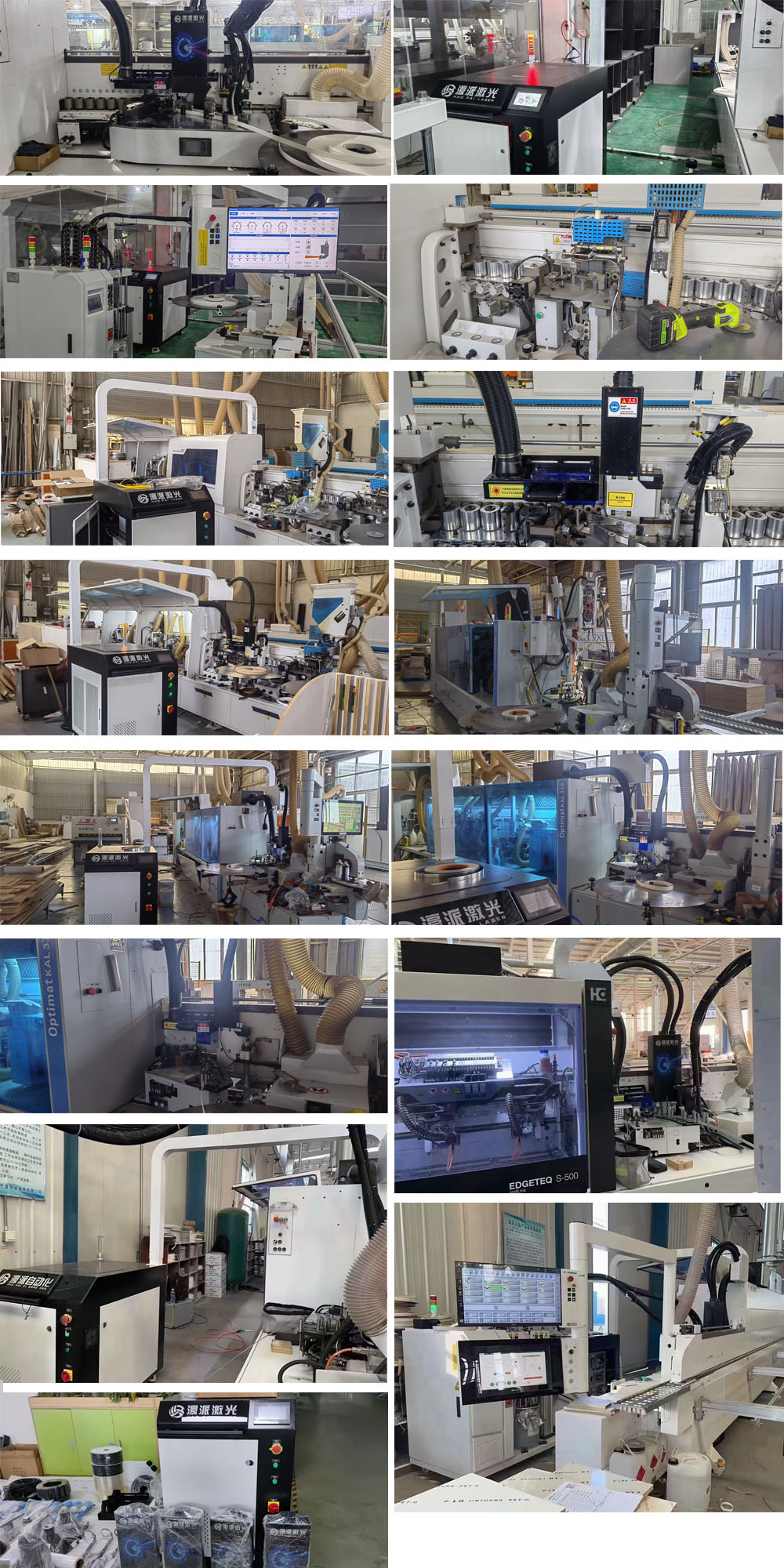
The Solution: Customization Meets Automation
The future of furniture manufacturing lies in combining precision components with intelligent systems. Haopai addresses these challenges through a structured approach:
1. Custom Woodworking Components for Precision Performance
Unlike generic parts, custom woodworking components are designed to match specific machine configurations and production requirements. This improves compatibility, reduces wear, and enhances overall system stability.
2. Automation Parts for Woodworking for System Integration
High-quality automation parts for woodworking enable seamless communication between machines, sensors, and control systems. This integration allows production lines to operate more efficiently with minimal manual intervention.
3. Non-Standard Woodworking Parts for Flexibility
Every factory has unique workflows. Non-standard woodworking parts provide the flexibility needed to adapt machinery to real production scenarios, especially for customized furniture manufacturing.
4. Woodworking Automation Solutions for Full-Link Optimization
By combining hardware upgrades with intelligent control systems, woodworking automation solutions create a fully connected production environment. This transforms isolated machines into a coordinated, efficient system.
Performance Impact: Measurable Improvements After Implementation
| Key Indicator | Traditional Setup | Optimized with Automation |
|---|---|---|
| Production Efficiency | Baseline | +35%–60% |
| Equipment Downtime | Frequent | Reduced by 30%–50% |
| Labor Dependency | High | Reduced by 20%–40% |
| Product Consistency | Variable | Highly stable |
| Order Response Time | Slow | Significantly faster |
Factories that adopt automation parts for woodworking alongside upgraded furniture manufacturing components consistently report higher output and improved operational stability.
Value Beyond Productivity
Lower Operating Costs
By replacing outdated furniture manufacturing components with optimized alternatives, maintenance costs decrease significantly while equipment lifespan extends.
Greater Production Flexibility
With the support of non-standard woodworking parts, factories can switch between product types quickly, enabling efficient small-batch and customized production.
Improved Quality and Consistency
Precision-engineered custom woodworking components reduce defects and ensure consistent output across production cycles.
Stronger Market Competitiveness
Integrated woodworking automation solutions enable faster delivery, higher reliability, and better responsiveness to market demands.
Technical Backbone: Haopai’s Integrated Capabilities
Haopai’s strength lies in its ability to combine component expertise with system-level engineering:
Independent R&D for custom woodworking components
Advanced assembly and testing facilities
Practical experience in automation parts for woodworking integration
Tailored design of woodworking automation solutions
This integrated capability ensures that every upgrade is not only technically sound but also practical for real factory environments.
Industry Trend: From Standardization to Customization
The future of furniture manufacturing is moving toward:
Modular and flexible production systems
Data-driven decision-making
Increased reliance on non-standard woodworking parts
Full adoption of woodworking automation solutions
Manufacturers who embrace this shift will gain a decisive advantage, while those relying solely on traditional methods risk falling behind.
FAQ: Key Questions from Manufacturers
Q1: Are custom solutions more expensive than standard parts?
While initial costs may be slightly higher, custom woodworking components reduce long-term expenses through improved durability and efficiency.
Q2: Can existing machines be upgraded?
Yes. By integrating automation parts for woodworking, most legacy machines can achieve significantly improved performance.
Q3: How do non-standard parts improve production?
Non-standard woodworking parts adapt machines to real production needs, improving flexibility and reducing inefficiencies.
Q4: What is the role of automation in furniture manufacturing?
Woodworking automation solutions connect equipment and processes, enabling smarter and more efficient production.
Q5: How quickly can results be seen?
Most factories observe measurable improvements within 3–6 months after implementation.
Call to Action
If your factory is facing rising costs, inconsistent production, or difficulty handling customized orders, it is time to consider a smarter approach.
Foshan Haopai Mechanical and Electrical Equipment Co., Ltd. provides reliable custom woodworking components, high-performance automation parts for woodworking, and fully integrated woodworking automation solutions tailored to your needs.
Conclusion
The future of furniture manufacturing will not be defined by who produces more, but by who produces smarter.
Through the integration of custom woodworking components, advanced automation parts for woodworking, and flexible non-standard woodworking parts, manufacturers can unlock new levels of efficiency and adaptability.
With its proven expertise and commitment to innovation, Haopai continues to lead the way—helping factories transition from traditional production to intelligent, high-performance manufacturing systems.
The path forward is clear: customize, automate, and transform.
