


In today’s fast-changing furniture manufacturing industry, efficiency, cost control, and flexibility have become the core factors determining competitiveness. For many factory owners, a critical decision often arises:
Should you replace old machines entirely, or upgrade them with new woodworking parts?
At Foshan Haopai Electromechanical Equipment Co., Ltd., we have worked with hundreds of manufacturers worldwide, and one thing is clear—smart upgrades are often the more practical and profitable path.
The Industry Reality: Why This Decision Matters
With increasing demand for customization and shorter delivery cycles, traditional woodworking equipment is under pressure. However, full machine replacement comes with:
High upfront investment
Long installation and downtime
Production disruption risks
Training and adaptation costs
On the other hand, upgrading woodworking machinery parts offers a more flexible and scalable alternative.
Option 1: Full Machine Replacement
Advantages
Access to the latest technology
Improved automation and control systems
Long-term modernization
Limitations
High capital expenditure (often 3–5x higher than upgrading)
Long ROI cycle (12–24 months or more)
Production downtime during installation
Risk of underutilizing new machine capacity
Full replacement is suitable for factories building entirely new production lines—but for most operating factories, it may not be the most efficient option.
Option 2: Targeted Upgrade with Woodworking Parts
Advantages
Lower investment cost (typically 30%–50% of replacement)
Faster implementation (days instead of months)
Minimal disruption to production
Immediate performance improvement
Limitations
Requires proper technical planning
Depends on compatibility and part quality
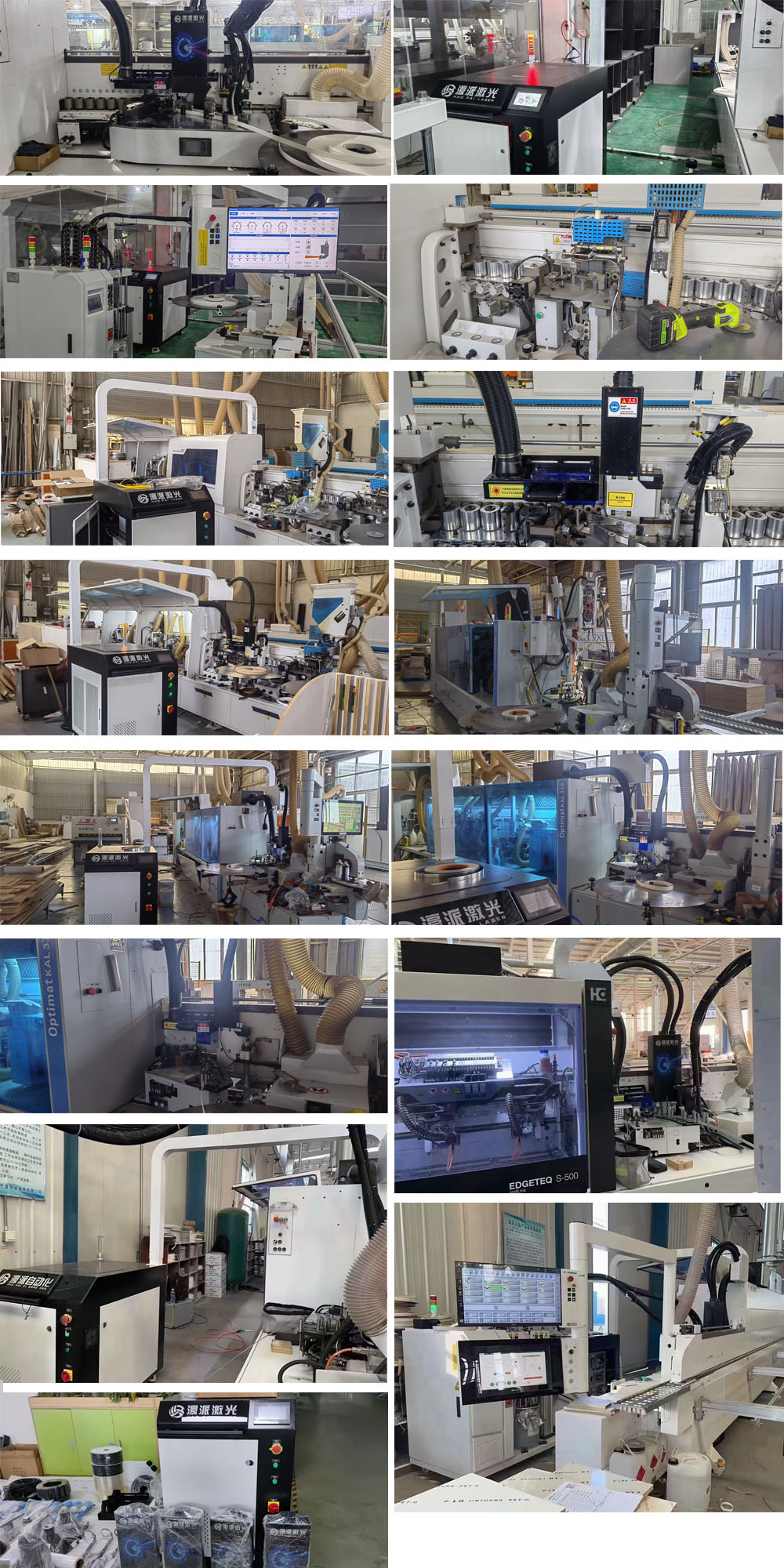
At Foshan Haopai Electromechanical Equipment Co., Ltd., we focus on optimizing existing machines through high-quality woodworking parts and system-level upgrades—helping clients achieve near-new performance without replacing entire equipment.
Performance Comparison: Upgrade vs Replacement
| Key Factor | Machine Replacement | Parts Upgrade |
|---|---|---|
| Initial Cost | Very High | Moderate |
| Implementation Time | Long | Short |
| Production Downtime | High | Minimal |
| ROI Speed | Slow | Fast |
| Flexibility | Limited | High |
| Risk Level | Higher | Lower |
This comparison clearly shows why more factories are choosing upgrades over full replacement.
Real Application: How Upgrades Improve Production
Through targeted upgrades, manufacturers can significantly enhance performance in key areas:
1. Feeding and Transmission Systems
Upgrading rollers, belts, and drive components improves material handling stability and reduces errors.
2. Control Systems
Replacing outdated control modules increases precision, repeatability, and automation capability.
3. Wear Parts and Consumables
High-quality woodworking parts reduce breakdown frequency and extend machine lifespan.
4. Automation Integration
Partial upgrades allow machines to connect with modern automation systems, improving overall workflow efficiency.
These improvements can deliver 30%–50% efficiency gains without replacing entire production lines.
Why Quality Parts Make the Difference
Not all woodworking parts deliver the same results. Poor-quality components may lead to:
Frequent failures
Inconsistent performance
Increased maintenance costs
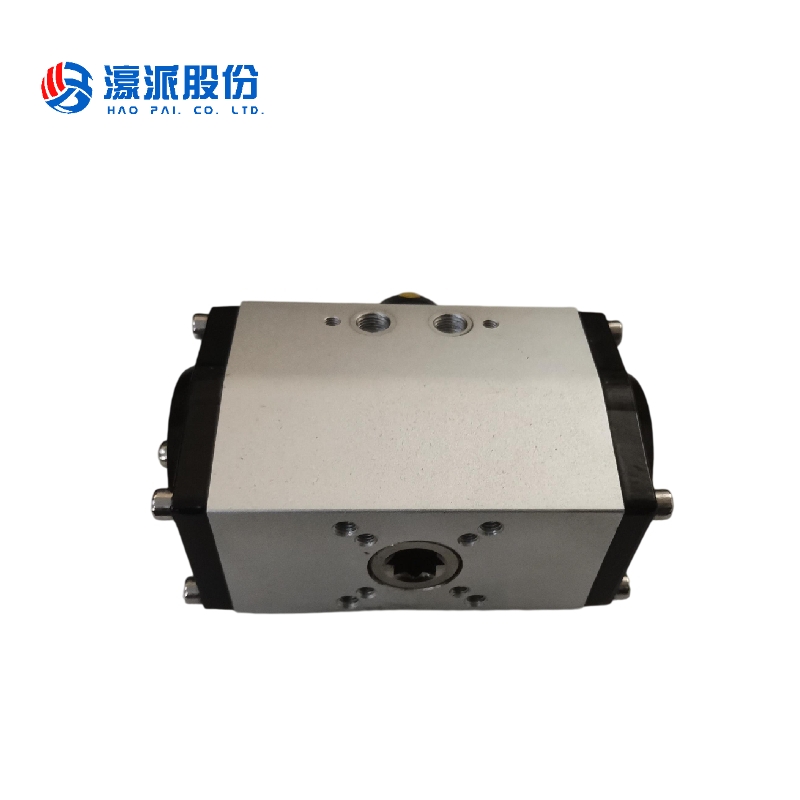
At Foshan Haopai Electromechanical Equipment Co., Ltd., we provide durable, precision-engineered parts designed for real factory conditions. Our solutions are based on years of experience in:
Equipment upgrading and retrofitting
Non-standard automation
Production line optimization
Component R&D and testing
This ensures that every upgrade delivers measurable value.
Industry Trend: Smarter, Not Bigger
The future of woodworking manufacturing is not about buying more machines—it’s about making existing systems smarter.
Factories are increasingly focusing on:
Modular upgrades
Flexible production systems
Cost-efficient improvements
Data-driven decision-making
This shift aligns with global manufacturing trends toward sustainability and efficiency.
FAQ: Common Questions from Buyers
Q1: Is upgrading suitable for old machines?
Yes, most machines can be significantly improved with the right woodworking parts.
Q2: How long does an upgrade take?
Typically a few days to a few weeks, depending on complexity.
Q3: Will upgrades affect production?
Minimal disruption compared to full replacement.
Q4: How do I choose the right parts supplier?
Look for experience, technical support, and proven product quality.
Q5: What is the ROI of upgrading?
Most factories see returns within 3–6 months.
Call to Action
If you are considering improving your production efficiency without heavy investment, upgrading your woodworking machinery parts is the smart choice.
Contact Foshan Haopai Electromechanical Equipment Co., Ltd. today to explore customized solutions tailored to your factory.
Conclusion
When it comes to improving woodworking production, the question is no longer whether to upgrade—but how to upgrade effectively.
By choosing high-quality woodworking parts and working with an experienced partner like Foshan Haopai Electromechanical Equipment Co., Ltd., manufacturers can achieve higher efficiency, lower costs, and stronger competitiveness—without the risks of full machine replacement.
Upgrade smarter. Produce better. Grow faster.
