

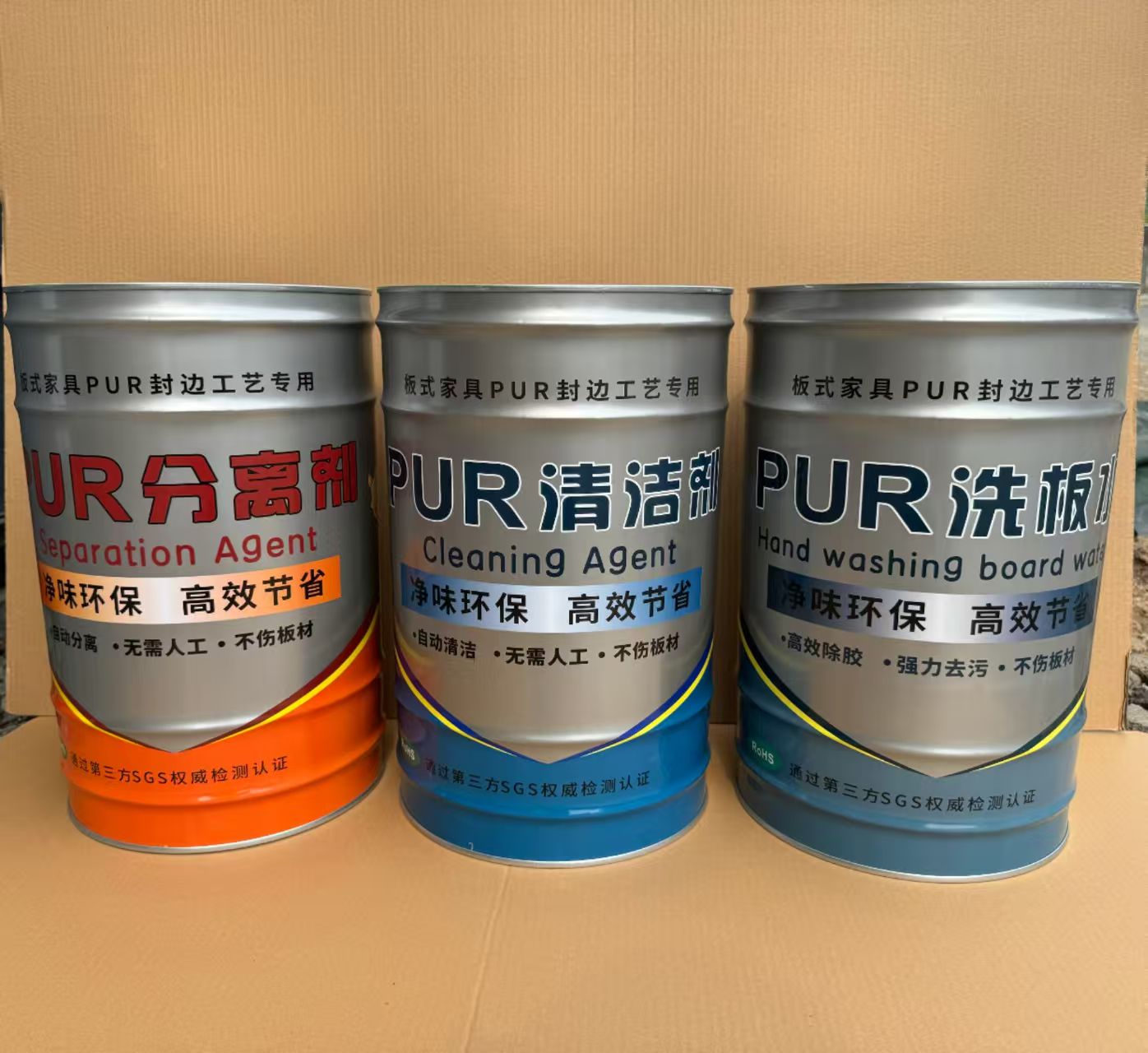
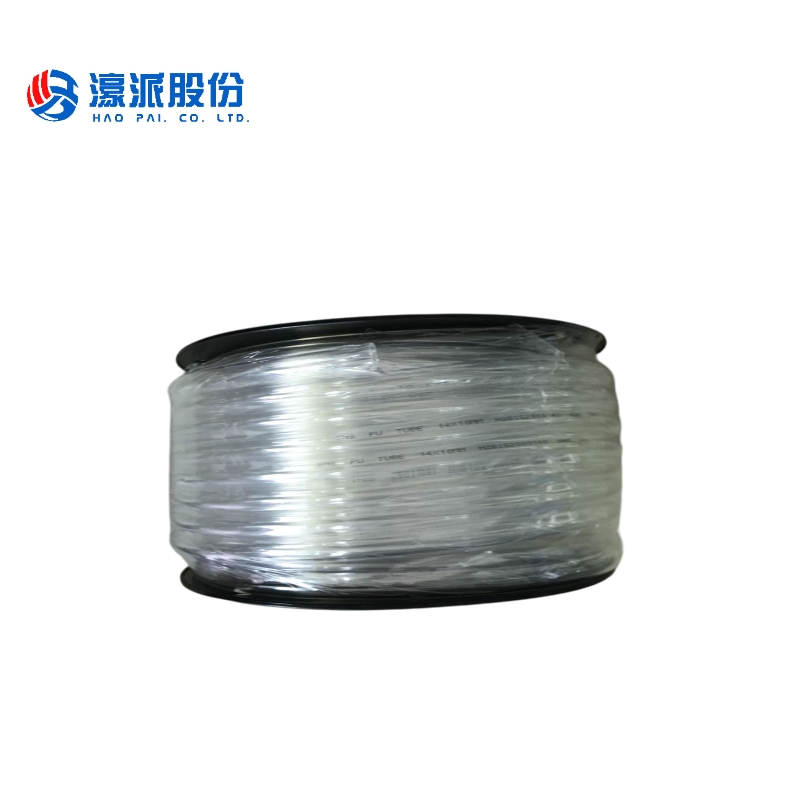
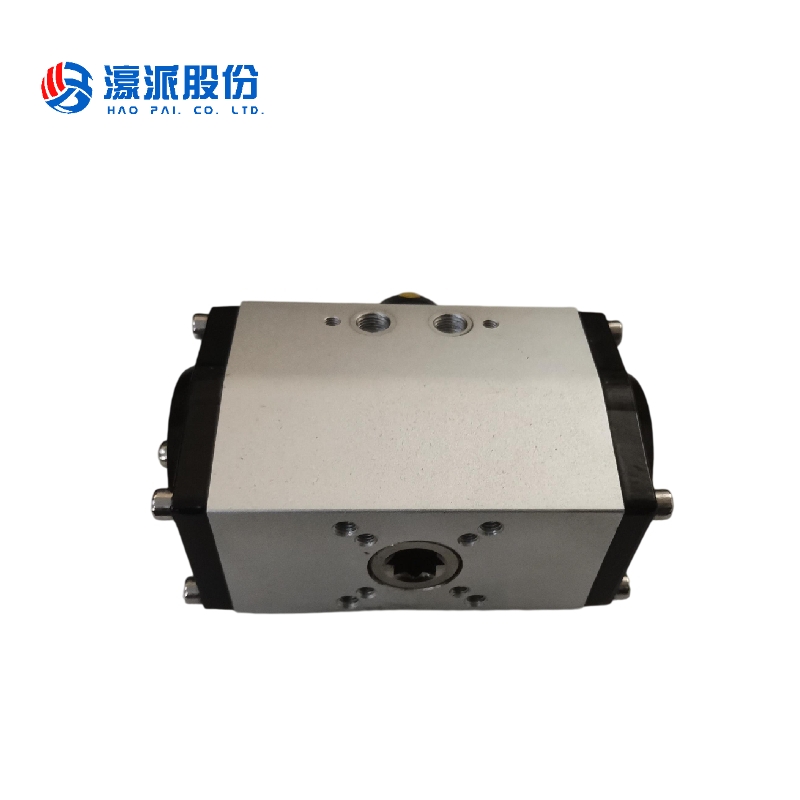
As the furniture manufacturing industry evolves toward higher efficiency and customization, many factories face a critical question: should they invest in new machines or upgrade existing ones? Increasingly, the answer lies in a strategic woodworking machine upgrade—a cost-effective approach that enhances performance without the need for full equipment replacement.
For manufacturers operating under tight margins and fast delivery expectations, upgrading machinery with the right components is not just a technical decision—it is a competitive strategy.
Industry Pain Points: Why Upgrades Are Becoming Essential
Many woodworking factories still rely on equipment that has been in operation for years. While structurally sound, these machines often suffer from:
Outdated control systems limiting precision
Inconsistent performance due to worn durable woodworking spares
Rising maintenance costs from frequent breakdowns
Poor adaptability to customized production
Replacing entire machines can be expensive and disruptive. As a result, more companies are turning to targeted upgrades using high-quality replacement parts for woodworking machines.
The Shift Toward Smart Retrofitting
A modern woodworking machine upgrade focuses on improving key performance areas through selective component replacement and system optimization. This approach allows manufacturers to retain their existing infrastructure while achieving measurable gains.
1. Precision Through Advanced Components
Upgrading critical machinery retrofitting parts such as drive systems, control units, and feeding mechanisms can significantly improve processing accuracy and consistency.
2. Reliability with Durable Woodworking Spares
Using high-quality durable woodworking spares reduces wear and tear, extends equipment lifespan, and minimizes unexpected downtime.
3. Flexibility via Equipment Rebuild Strategies
A well-planned woodworking equipment rebuild enables machines to handle new materials, complex designs, and customized orders more efficiently.
4. Integration with Modern Automation Systems
Combining upgraded replacement parts for woodworking machines with automation technologies allows for better coordination across production lines, improving overall efficiency.
Performance Impact: Before and After Machinery Upgrade
| Key Indicator | Before Upgrade | After Upgrade |
|---|---|---|
| Production Efficiency | Baseline | +30%–50% |
| Machine Downtime | Frequent | Reduced by 30%–40% |
| Maintenance Cost | Increasing | Reduced by 20%–30% |
| Product Consistency | Variable | Highly stable |
| Equipment Lifespan | Limited | Extended by 15%–25% |
These results demonstrate how a targeted woodworking equipment rebuild combined with optimized machinery retrofitting parts can deliver substantial improvements.
Value Beyond Cost Savings
Lower Total Cost of Ownership
A strategic woodworking machine upgrade reduces long-term expenses by minimizing repairs and extending machine lifespan.
Improved Production Stability
Replacing worn components with reliable durable woodworking spares ensures consistent machine performance.
Enhanced Flexibility
With upgraded systems, factories can respond more effectively to customized production demands.
Higher Product Quality
Precision components and optimized processes lead to fewer defects and better finishing results.
Technical Backbone: Haopai’s Integrated Expertise
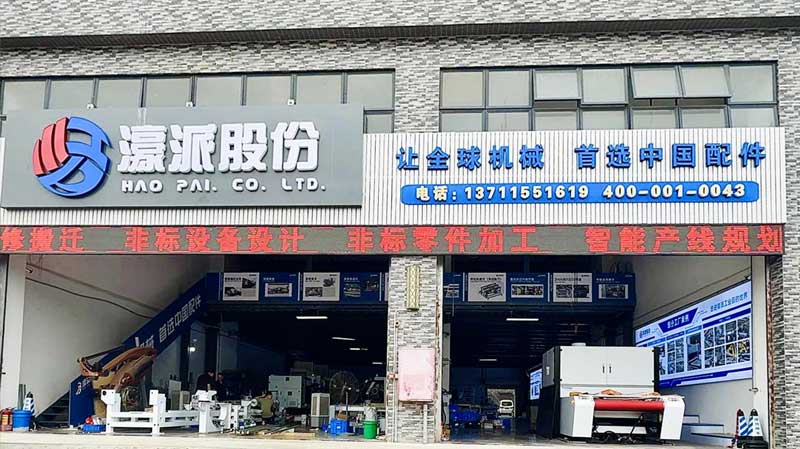
Foshan Haopai Mechanical and Electrical Equipment Co., Ltd. has evolved from a parts supplier into a comprehensive technical solutions provider. Its capabilities include:
Development of high-performance replacement parts for woodworking machines
Design and supply of advanced machinery retrofitting parts
Execution of full woodworking equipment rebuild projects
Integration of automation systems for enhanced efficiency
With a strong R&D team and practical engineering experience, Haopai ensures that every woodworking machine upgrade is tailored to real production conditions.
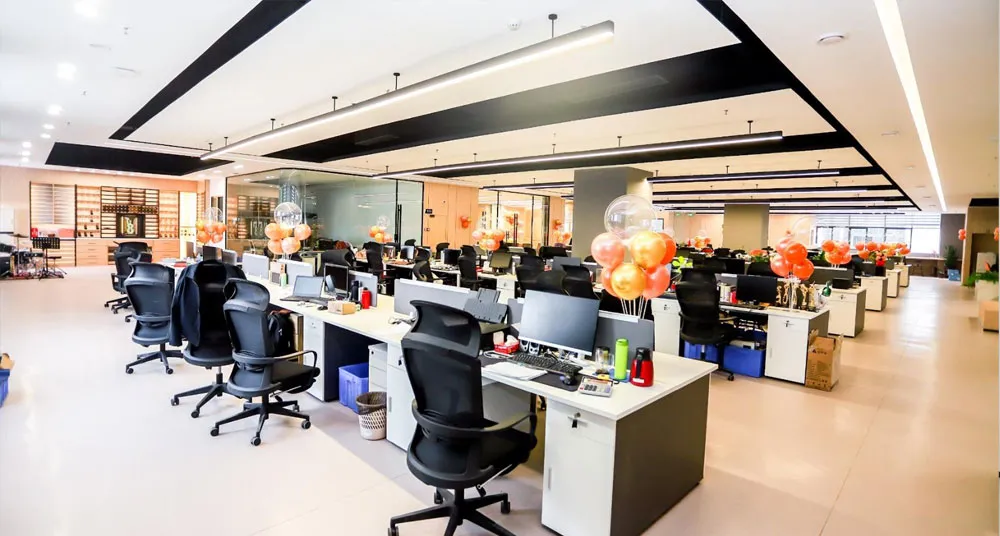
Industry Trend: Upgrading Over Replacing
The global trend in woodworking manufacturing is shifting toward smarter investment strategies. Instead of replacing entire production lines, companies are focusing on:
Modular upgrades using replacement parts for woodworking machines
Increased use of durable woodworking spares for reliability
Flexible system redesign through woodworking equipment rebuild
Integration of automation and digital monitoring
This approach not only reduces costs but also accelerates the transition toward modern, efficient manufacturing systems.
FAQ: Key Considerations for Machinery Upgrades
Q1: Is upgrading better than buying new machines?
In many cases, a woodworking machine upgrade delivers similar performance improvements at a lower cost.
Q2: How do I choose the right parts?
Focus on compatibility, durability, and performance when selecting replacement parts for woodworking machines.
Q3: Can older machines support automation?
Yes. With proper machinery retrofitting parts, most equipment can be adapted to modern automation systems.
Q4: What is the biggest benefit of equipment rebuild?
A woodworking equipment rebuild improves both efficiency and flexibility without requiring full replacement.
Q5: How long does it take to see results?
Most upgrades deliver noticeable improvements within a few months.
Call to Action
If your production line is facing inefficiencies, rising maintenance costs, or difficulty adapting to new demands, now is the time to consider a professional upgrade.
Foshan Haopai Mechanical and Electrical Equipment Co., Ltd. offers reliable durable woodworking spares, precision-engineered machinery retrofitting parts, and complete woodworking machine upgrade solutions tailored to your needs.
Conclusion
Upgrading woodworking machinery is no longer just a maintenance decision—it is a strategic investment in the future of your factory.
By leveraging high-quality replacement parts for woodworking machines and implementing targeted woodworking equipment rebuild strategies, manufacturers can unlock new levels of efficiency, stability, and competitiveness.
With its deep technical expertise and commitment to innovation, Haopai continues to lead the way—helping factories transform existing equipment into high-performance production systems ready for the challenges of modern manufacturing.
Upgrade smarter. Operate better. Compete stronger.
