

As global woodworking manufacturers face tighter delivery schedules, rising labor costs, and increasing customization demands, production efficiency has become the defining competitive factor. Traditional machinery alone can no longer support modern output requirements. Instead, factories are turning to custom woodworking automation as a practical path toward higher productivity, lower downtime, and sustainable growth.
Across Asia, Europe, and emerging manufacturing regions, woodworking enterprises are reassessing how equipment upgrades, intelligent control systems, and modular automation can unlock hidden capacity. Behind many successful transformations stands a solution provider capable of combining engineering expertise with real-world factory conditions.
Why Woodworking Production Bottlenecks Persist
Despite continuous investment in machinery, many workshops still struggle with inconsistent output. The root cause is rarely a single machine but rather the lack of system-level optimization. Aging electrical layouts, fragmented production lines, and mismatched components limit overall efficiency.
In many cases, woodworking machinery parts continue to operate beyond their optimal lifecycle, increasing failure rates and maintenance costs. Without structured planning, upgrades become reactive rather than strategic, resulting in short-term fixes instead of long-term gains.
From Equipment Replacement to System Optimization
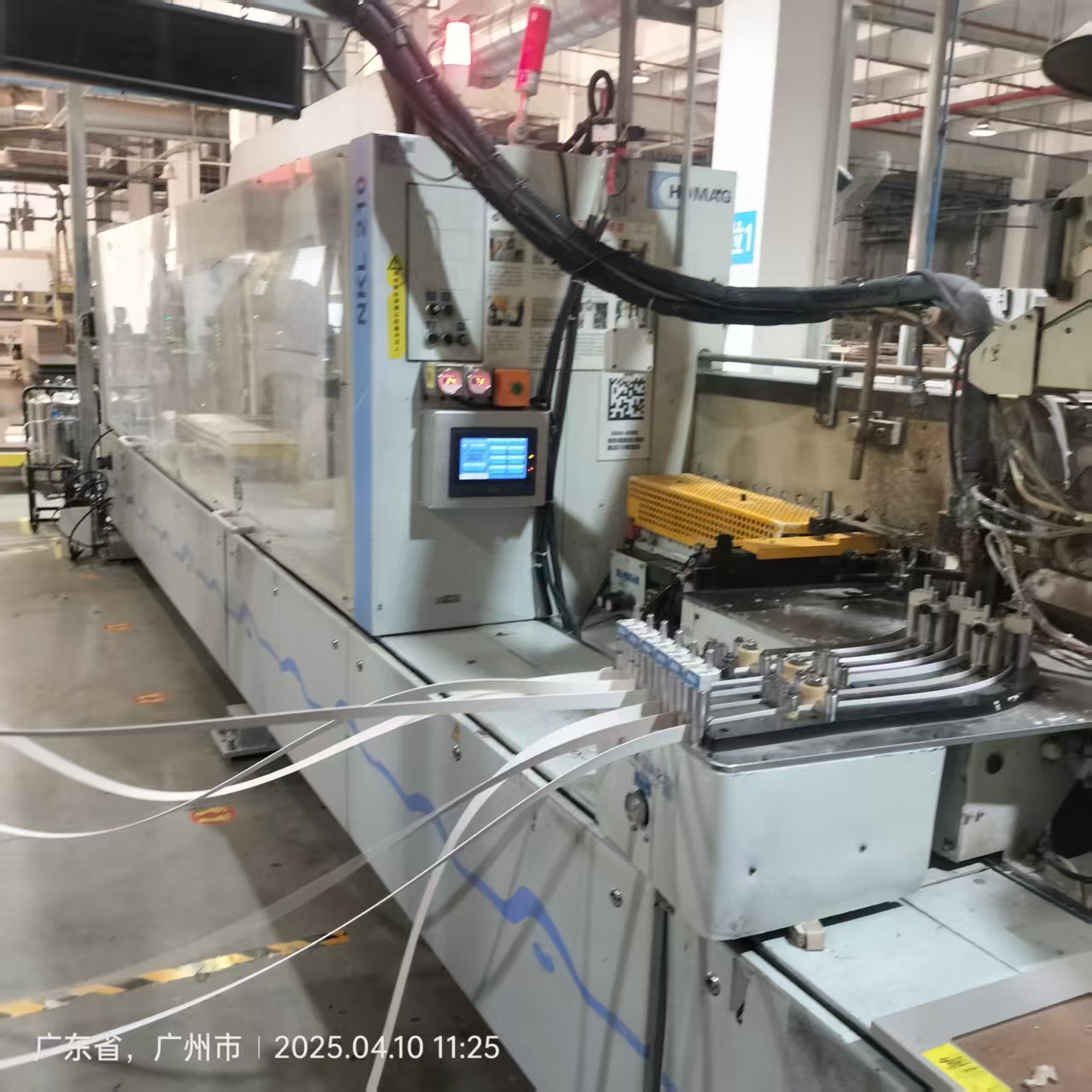
Modern productivity improvement focuses less on replacing entire machines and more on targeted woodworking machinery parts equipment retrofitting. By upgrading control units, drive systems, feeding mechanisms, and safety modules, factories can significantly improve performance while preserving existing assets.
This approach reduces capital expenditure and shortens implementation cycles. When combined with intelligent layout redesign, custom woodworking automation enables production lines to operate more smoothly and predictably.
The Role of Non-Standard Engineering in Real Factories
No two woodworking factories are identical. Differences in product mix, floor space, workforce skills, and output goals make standardized solutions insufficient. This is where non-standard automation plays a decisive role.
Through tailored mechanical structures, customized control logic, and adaptive tooling, non-standard automation allows production systems to match real operational needs instead of forcing factories to adapt to generic designs.
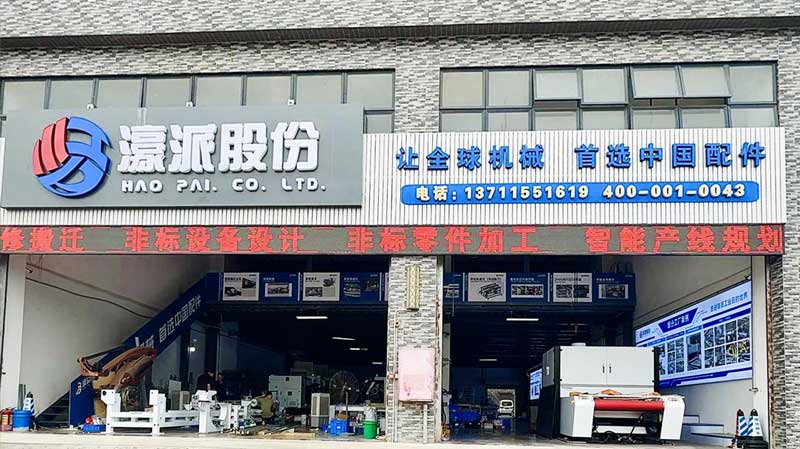
Foshan Haopai Mechanical and Electrical Equipment Co., Ltd. has built its reputation on this engineering philosophy, providing bespoke solutions that integrate seamlessly with existing operations.
Automation as the Foundation of Digital Transformation
Automation is no longer isolated from data. Modern factories increasingly demand visibility, traceability, and predictive maintenance capabilities. Well-designed automation upgrades serve as the foundation for scalable Digital Transformation Solutions.
By preparing machines for data collection and connectivity, manufacturers gain insight into cycle times, fault patterns, and energy consumption. These insights support smarter decision-making and continuous improvement across the production lifecycle.
Industry Performance Comparison: Before vs. After Automation Upgrade
| Performance Indicator | Traditional Setup | Automated Upgrade |
| Average Daily Output | Baseline | +25–40% |
| Equipment Downtime | High | Reduced by 35% |
| Labor Dependency | Heavy | Optimized |
| Maintenance Cost | Unplanned | Predictable |
| Production Stability | Variable | Consistent |
Factories implementing custom woodworking automation combined with targeted woodworking machinery parts equipment retrofitting consistently achieve higher utilization rates and more stable output.
Haopai’s Integrated Upgrade Capabilities
Founded in 2008, Foshan Haopai Mechanical and Electrical Equipment Co., Ltd. has evolved from a parts trading company into a comprehensive technical service provider. Its business scope covers machinery upgrades, automation integration, intelligent line planning, and rapid-response maintenance support.
As a National High-tech Enterprise, Haopai combines in-house R&D with practical engineering experience. Whether upgrading legacy woodworking machinery parts or delivering complete Digital Transformation Solutions, the company focuses on measurable production improvements.
Why Customization Outperforms Standard Automation
Standard automation packages often fail to address unique bottlenecks. In contrast, non-standard automation enables precise control over feeding speed, tool coordination, and material flow.
By aligning automation design with actual production processes, manufacturers avoid over-engineering while achieving meaningful efficiency gains. This tailored approach also improves long-term adaptability as product lines evolve.
FAQ: Automation & Equipment Upgrading in Woodworking
Q1: Is automation suitable for small and mid-sized woodworking factories?
Yes. Modular custom woodworking automation allows gradual upgrades without disrupting production.
Q2: Can old machines still be upgraded effectively?
Through woodworking machinery parts equipment retrofitting, many legacy machines can achieve near-modern performance.
Q3: What is the biggest benefit of non-standard automation?
Non-standard automation aligns technology with real factory conditions, improving reliability and output.
Q4: How does automation support digital transformation?
Automation-ready systems form the backbone of scalable Digital Transformation Solutions.
Q5: Does automation increase maintenance complexity?
On the contrary, standardized woodworking machinery parts and intelligent diagnostics simplify maintenance.
Strategic Value Beyond Productivity
Automation upgrades deliver benefits beyond immediate output gains. Reduced labor intensity improves workforce stability. Predictable maintenance lowers operational risk. Improved consistency enhances product quality and customer satisfaction.
Factories that invest in structured upgrades position themselves for long-term competitiveness rather than short-term output spikes.
Call to Action
If your woodworking production is limited by outdated systems or inconsistent performance, now is the time to act. Partner with Foshan Haopai Mechanical and Electrical Equipment Co., Ltd. to implement reliable custom woodworking automation, precision-driven non-standard automation, and scalable Digital Transformation Solutions tailored to your factory.
Conclusion
Boosting woodworking production is no longer about buying more machines. It is about making existing systems work smarter, longer, and more efficiently.
Through intelligent planning, targeted woodworking machinery parts equipment retrofitting, and customized automation strategies, manufacturers can unlock new productivity without unnecessary investment.
With proven engineering expertise and a deep understanding of factory realities, Foshan Haopai Mechanical and Electrical Equipment Co., Ltd. continues to help woodworking enterprises transform challenges into sustainable growth opportunities—one upgrade at a time.
